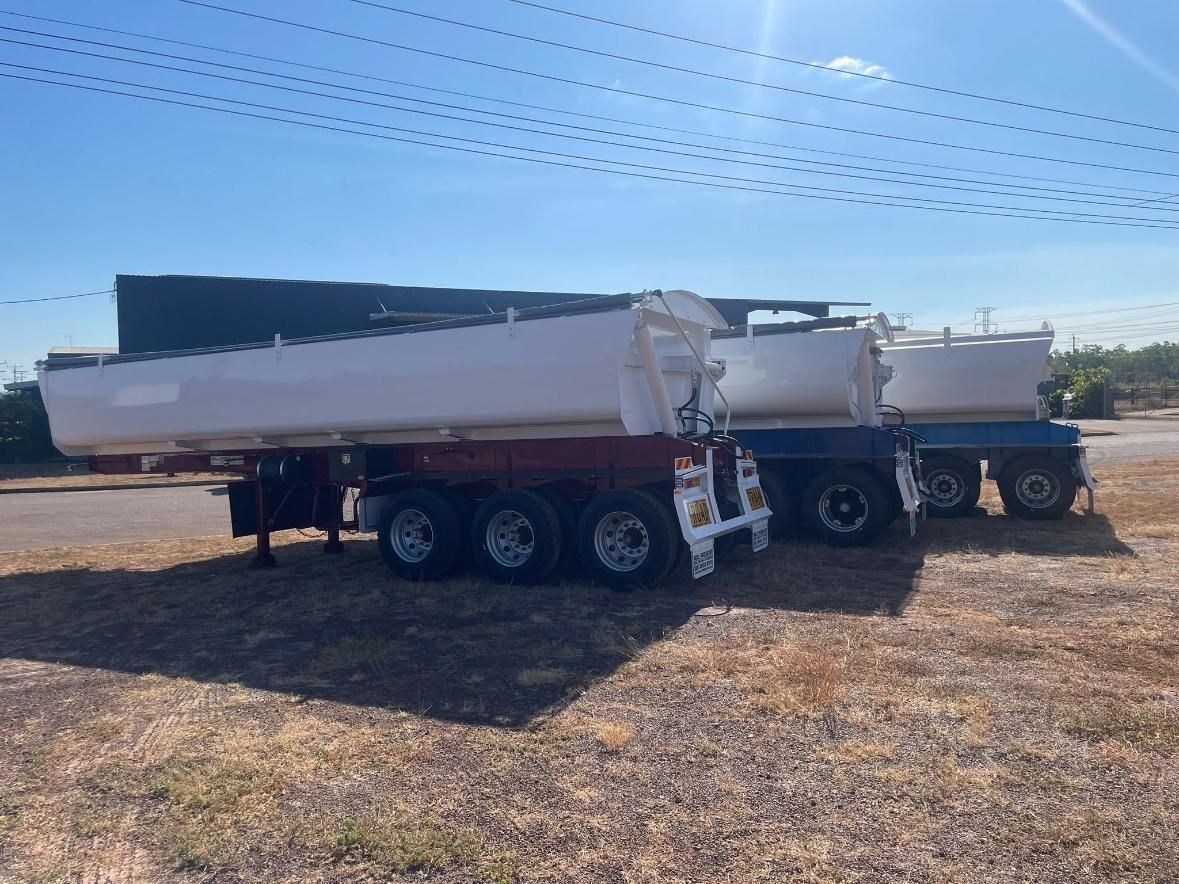
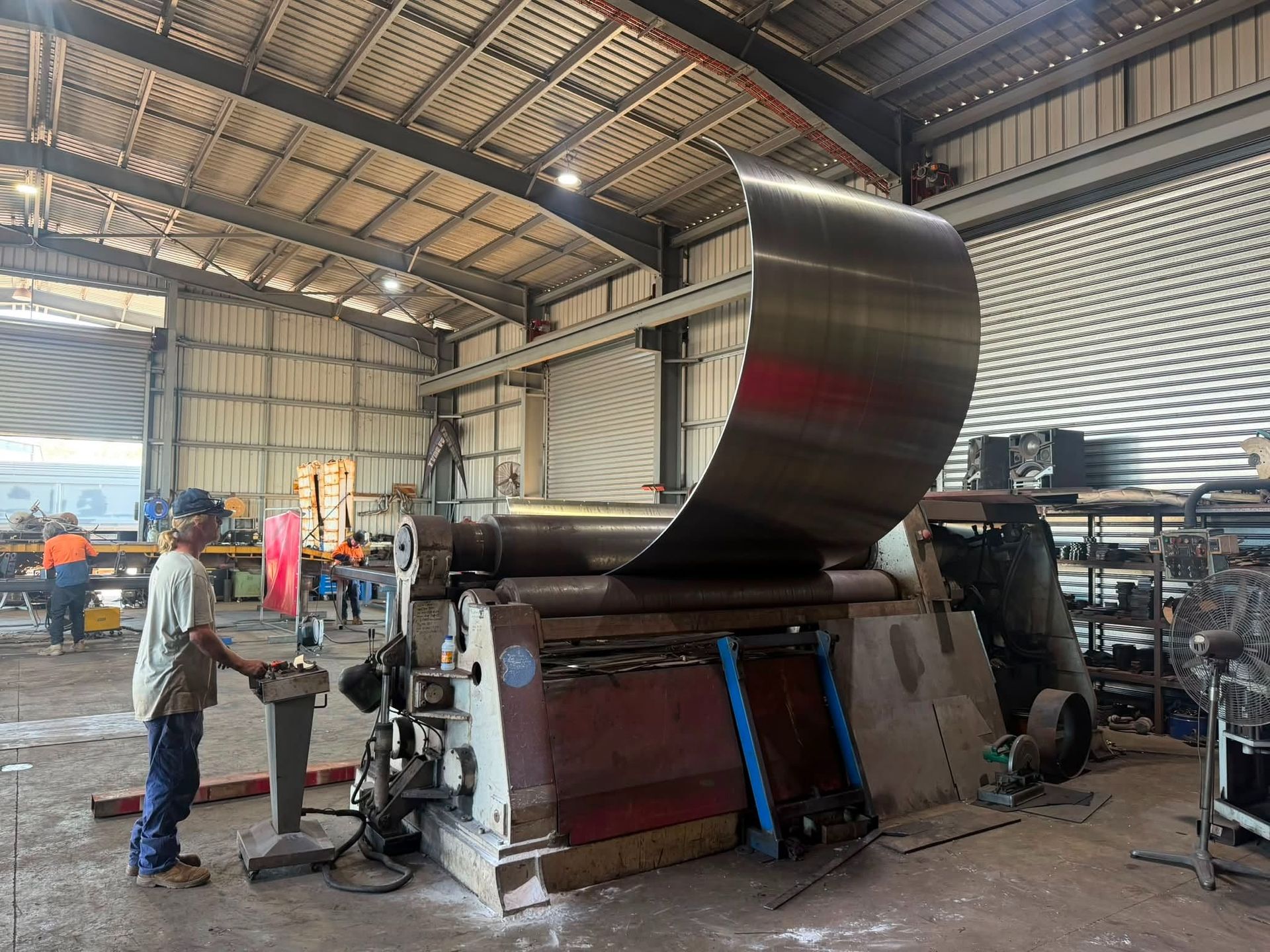
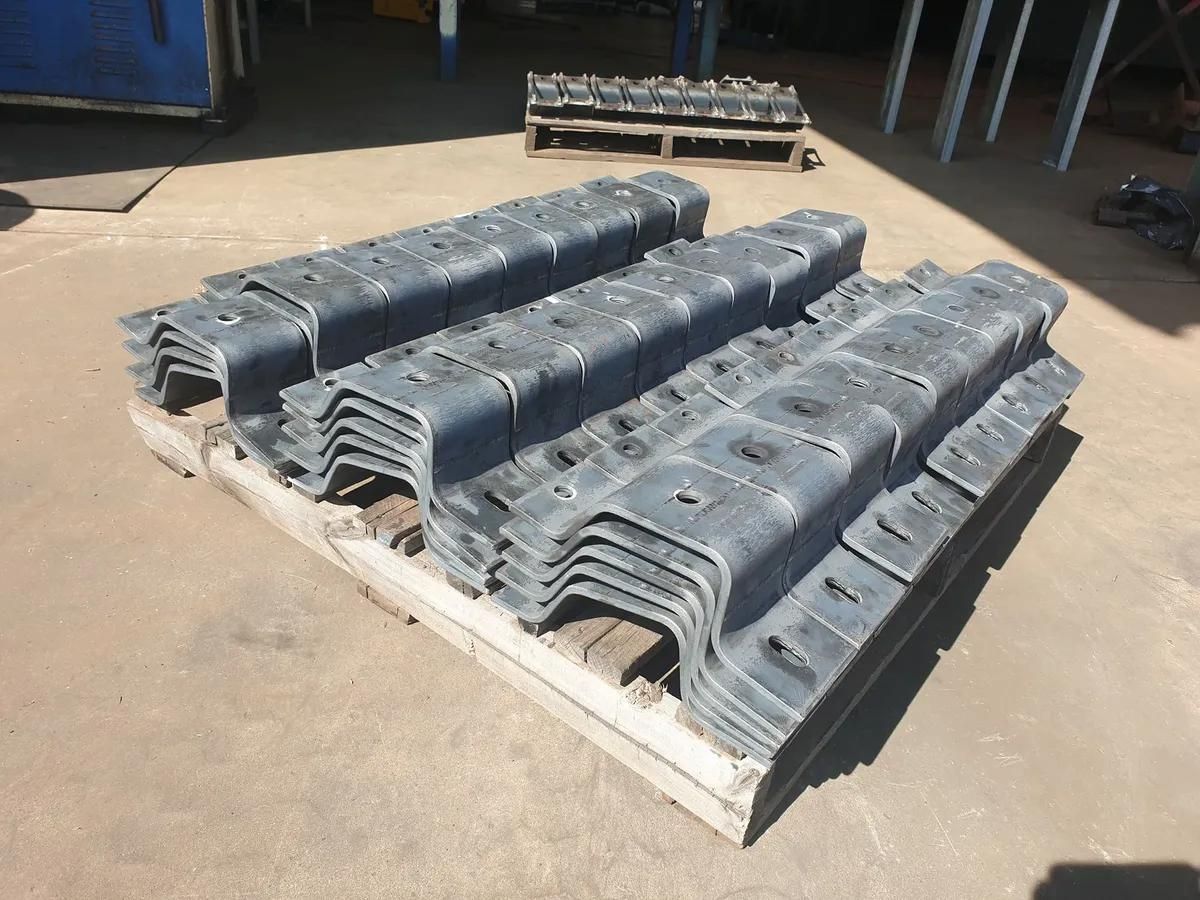
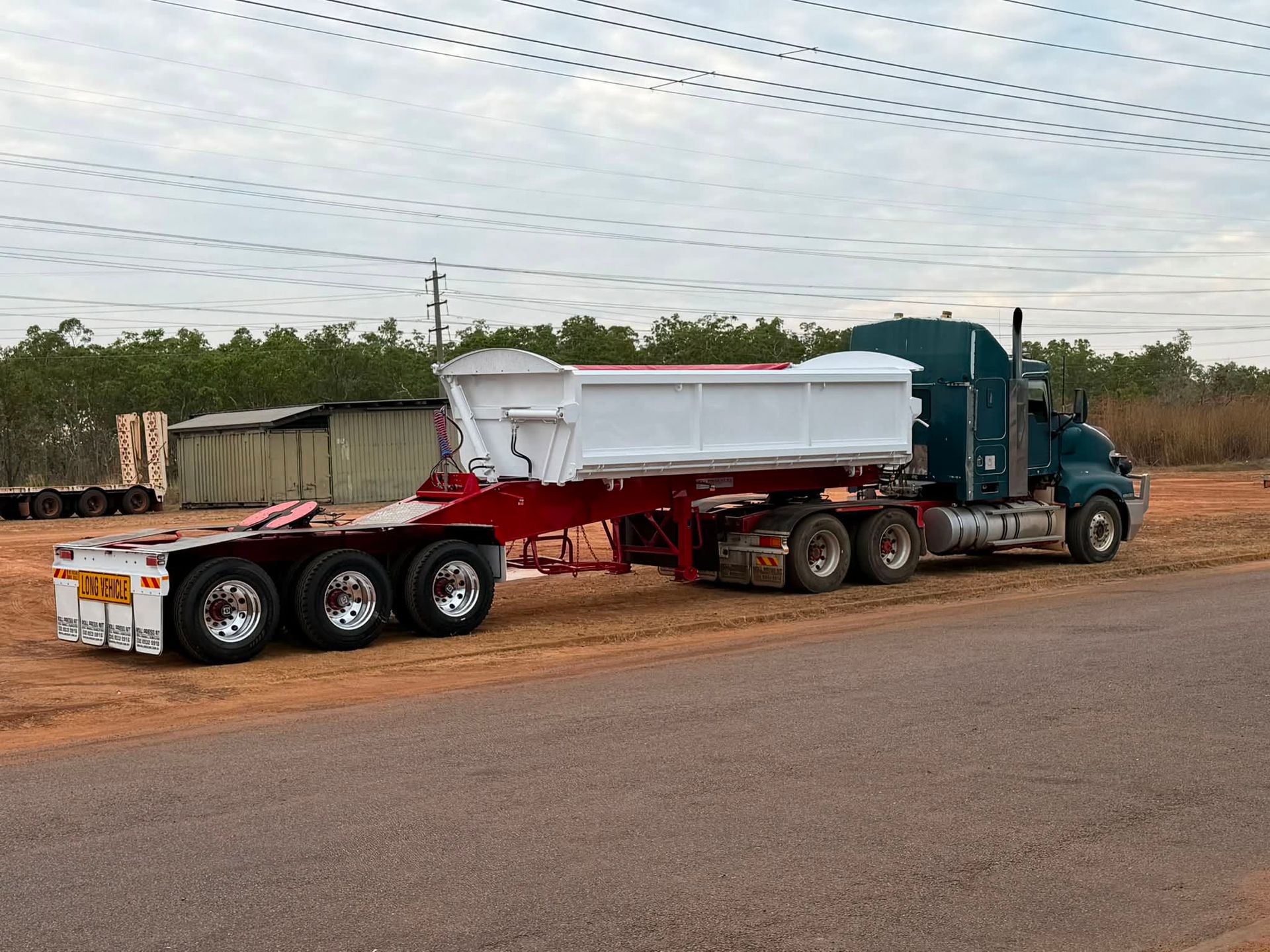
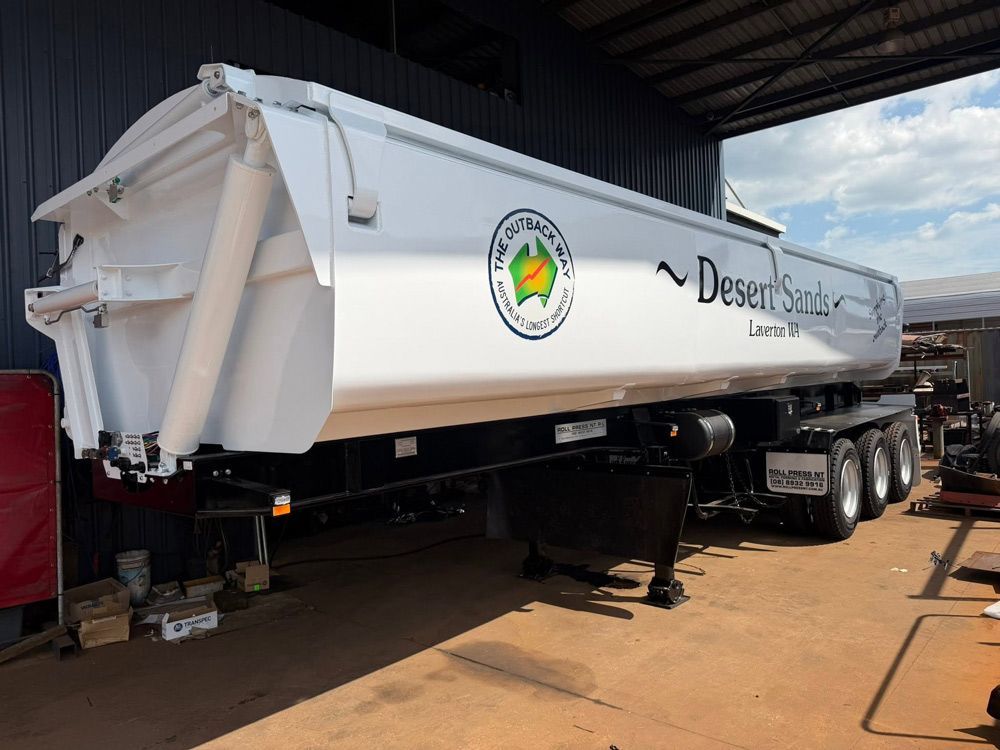
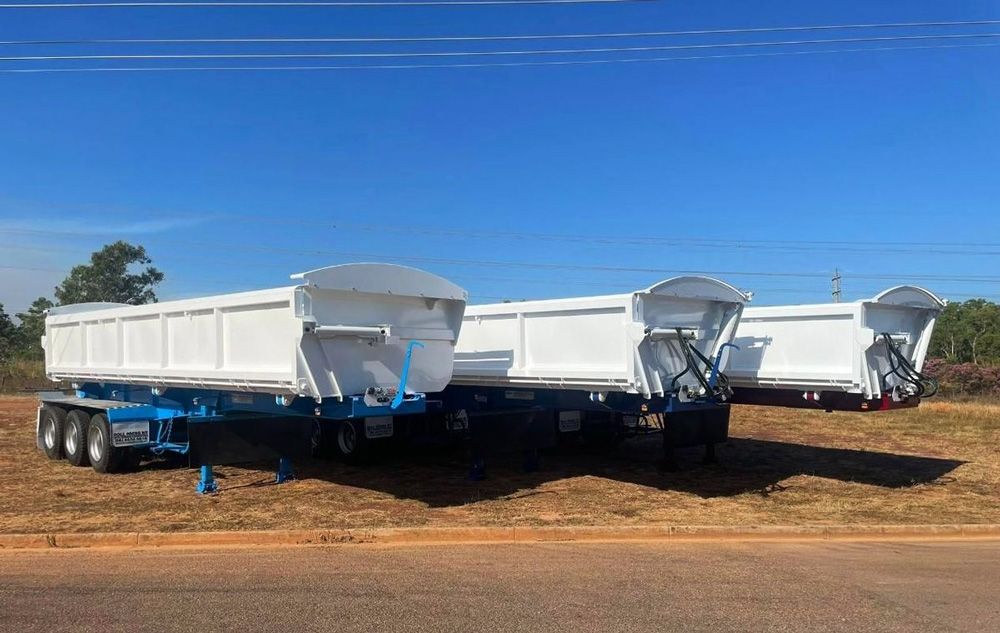
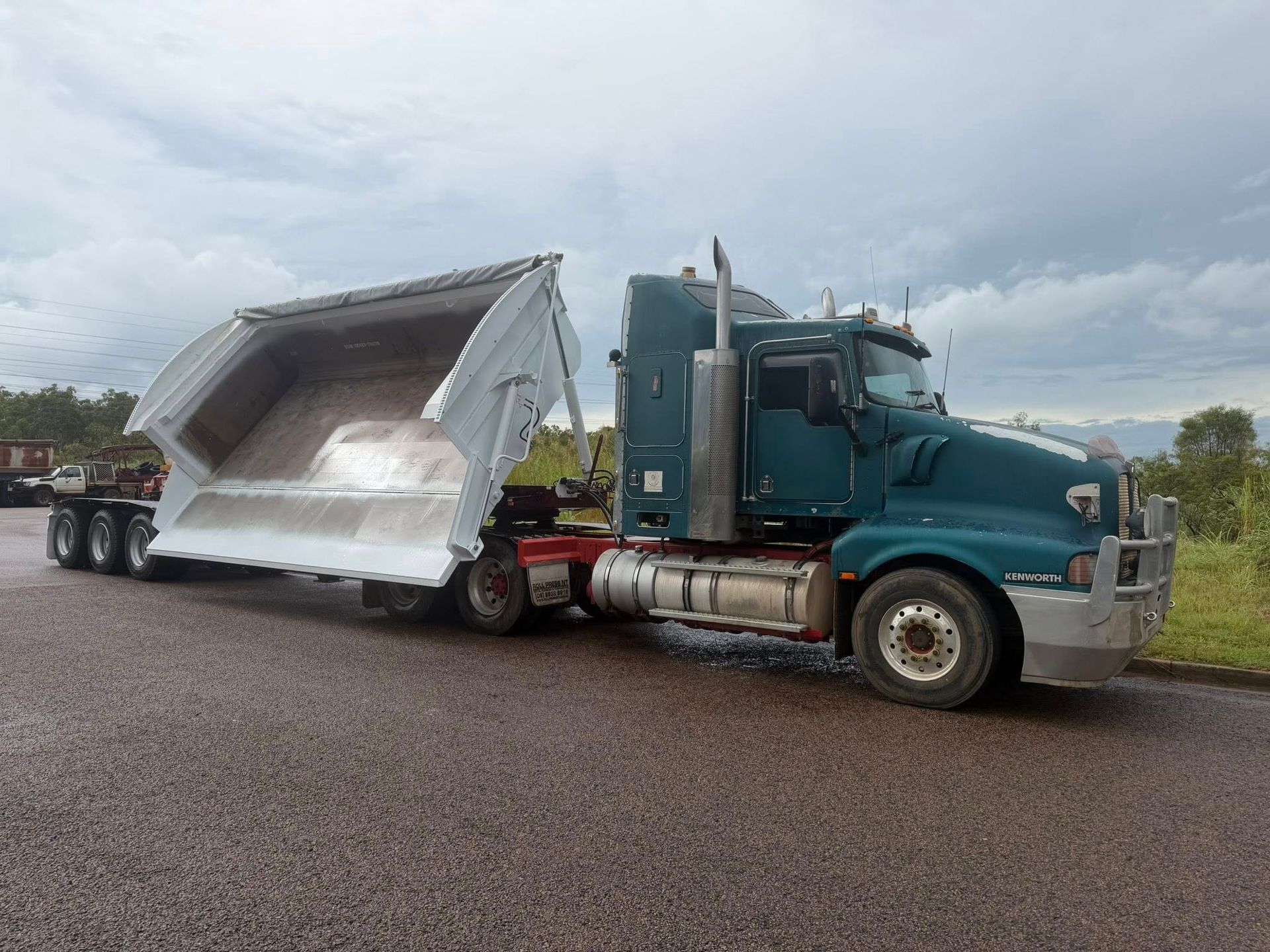
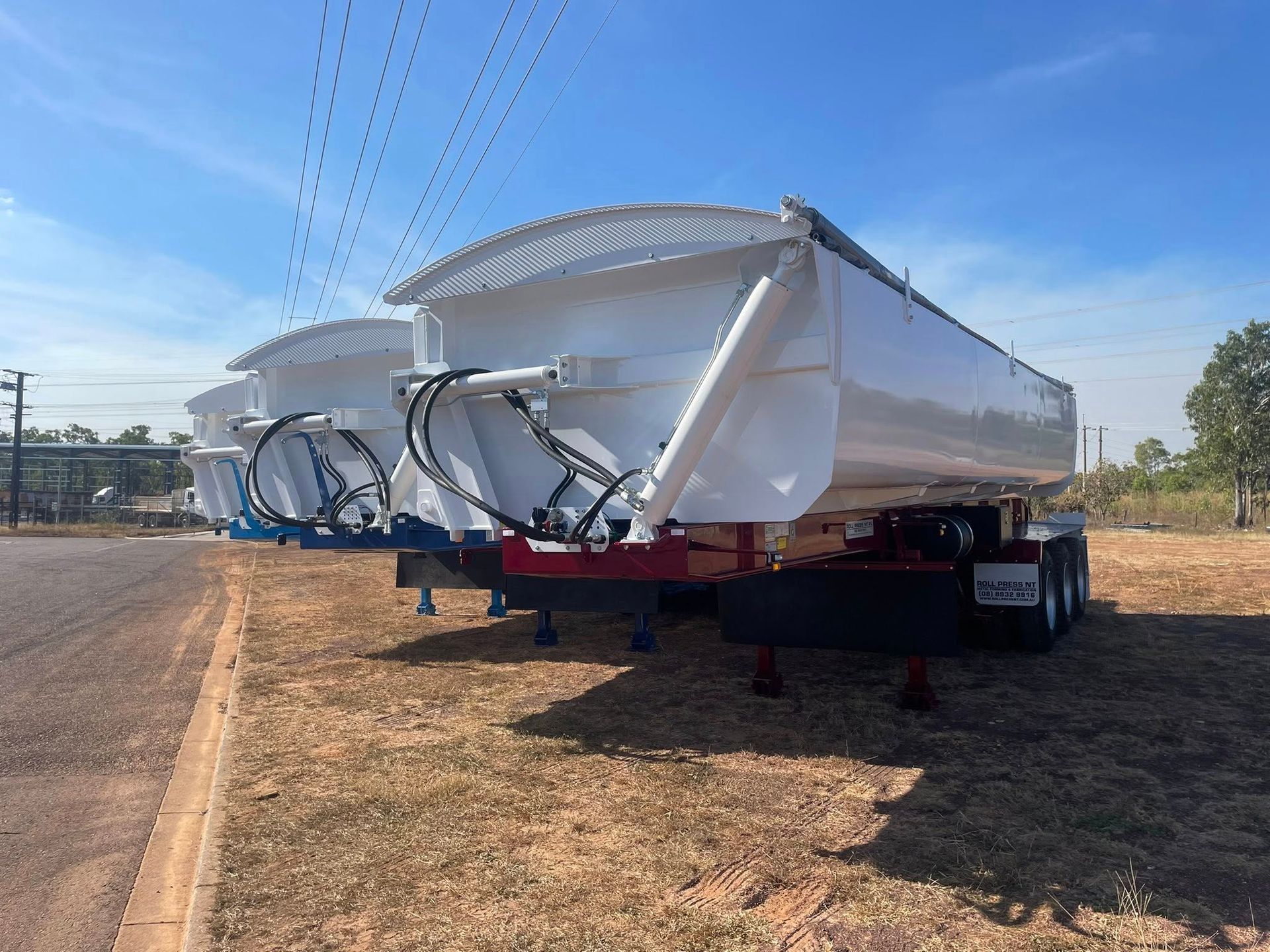
Side tippers are built to handle demanding work, but NT conditions push even well-constructed equipment hard. Heat, dust, heavy loads and rough terrain combine to accelerate wear in ways that don't apply to equipment used in more forgiving environments. Understanding where problems develop and how to get ahead of them is what separates operators who keep their equipment running from those dealing with costly breakdowns mid-job. For anyone running or sourcing
custom side tippers in Darwin, a clear picture of common maintenance issues is practical knowledge worth having.
1. Hydraulic Seal & Hose Failure
The hydraulic system is where the most costly problems tend to develop. Hydraulic issues rarely announce themselves suddenly. They build gradually through small leaks, contaminated fluid, worn seals or a cylinder operating under more load than it was designed for. By the time a fault becomes obvious, the underlying cause has usually been present for some time.
Hydraulic problems typically develop from:
- Contaminated fluid that introduces abrasive particles into the system, accelerating wear on pumps, valves and cylinder bores.
- Seal failure caused by heat cycling, UV exposure or extended periods between fluid changes.
- Cylinder damage from overloading or uneven load distribution during tipping operations.
Maintaining clean fluid and inspecting seals and hoses regularly is the most effective way to keep hydraulic problems from escalating.
2. Pivot Point & Hinge Wear
Pivot points and hinge assemblies are among the hardest-working components on a side tipper and among the most vulnerable to NT conditions. Dust and grit penetrate these joints continuously, and when lubrication intervals are missed, the abrasive material accelerates wear faster than most operators realise. A pivot point that feels slightly loose during an inspection can develop into a significant structural issue if left unaddressed.
The components that take the most punishment include:
- Pivot points and hinge assemblies that accumulate dust and grit, accelerating wear when lubrication is inconsistent.
- Connecting hardware and fasteners that loosen under vibration and allow movement at joints.
- Wear plates and bushings that absorb contact stress and require periodic replacement to protect the primary structure.
Greasing pivot points and checking hinge hardware at every service interval is one of the simplest maintenance tasks an operator can perform.
3. Structural Cracking & Weld Fatigue
Every tipping cycle places load on the chassis, the tipping frame and the connection points between them. Add rough terrain and heavy payloads and the stress concentrates at specific points, typically where fabrication meets function and where movement is greatest. Cumulative stress builds in ways that aren't always visible until a crack has already developed.
Structural wear tends to show up first in:
- Weld joints around the tipping frame and chassis connection points, where stress concentrates during each cycle.
- The tipping body floor, which takes the direct impact of loading and can develop cracks or thinning over time.
- Mounting brackets and hardware, which loosen under vibration and cause accelerated wear if not checked regularly.
Catching structural issues early keeps repair costs manageable and the equipment safe to operate.
4. Accelerated Wear from Darwin's Climate
Standard manufacturer maintenance intervals are developed for average operating conditions, and Darwin is anything but average. Extreme heat, high dust load during the dry season and wet season humidity mean components reach the end of their service life faster than the manual anticipates. Operators who follow standard intervals without accounting for local conditions often deal with failures that should have been caught earlier.
Darwin's conditions accelerate wear around:
- Lubrication points that dry out faster in high heat, leaving metal-on-metal contact at pivot points and bearings.
- Electrical connections and wiring looms exposed to heat, vibration and moisture that cause corrosion and intermittent faults.
- Rubber components including seals, bump stops and hose fittings that harden and crack under prolonged UV and heat exposure.
Shortening service intervals to reflect actual operating conditions rather than manufacturer defaults pays for itself quickly.
5. Inconsistent Lubrication & Missed Service Intervals
Reactive maintenance is always more expensive than preventive work. For operators running
custom side tippers in Darwin, where getting a machine off the road means lost productivity and significant transport costs for parts and labour, staying ahead of maintenance is a financial decision as much as an operational one.
Regular service intervals should cover:
- Hydraulic fluid condition and level, hose integrity and cylinder seals, inspected more frequently than standard intervals suggest in NT conditions.
- All grease points across the tipping frame, pivot assemblies and suspension components, with particular attention after wet season operation.
- Structural inspection of welds, mounting hardware and the tipping body floor, looking for cracks, movement or signs of fatigue.
A maintenance log that records each inspection gives operators a clear picture of how the equipment is ageing and where problems are likely to develop next.
6. Electrical Faults & Corrosion
Electrical systems on side tippers are frequently overlooked during routine maintenance, but they're vulnerable to exactly the conditions Darwin produces. Heat degrades insulation, vibration loosens connections and the wet season introduces moisture into wiring looms and junction boxes. An intermittent electrical fault can be harder to diagnose than a mechanical one, and the consequences of an undetected fault during operation can be serious.
Side tippers in NT conditions are especially vulnerable to:
- Wiring loom damage caused by heat, vibration and abrasion against chassis components.
- Corroded terminals and connectors that produce intermittent faults in hydraulic controls and warning systems.
- Water ingress into junction boxes and control units during wet season operation or pressure washing.
Inspecting electrical connections and protecting exposed wiring at every service interval reduces the likelihood of faults developing into operational failures.
7. Safety Risks from Undetected Wear
Hydraulic failure during a tipping cycle, a cracked chassis member or a failed pivot assembly can create genuinely dangerous situations for operators and anyone working nearby. Side tippers operating with undetected structural or hydraulic faults are a liability, and equipment that isn't maintained to standard creates compliance exposure alongside the physical risk.
Before every shift:
- Conduct a visual inspection of the hydraulic system for leaks, including hoses, fittings and cylinder seals.
- Perform a walkaround check of the tipping body, chassis and pivot points for visible cracking, movement or loose hardware.
- Confirm that all controls are functioning correctly before the first tipping cycle of the day.
Scheduled inspections by someone who knows what to look for are the most reliable way to catch these issues before they become incidents.
Built for the Conditions You're Actually Working In
We at Roll Press NT understand what NT operators put their equipment through, because we build and support
custom side tippers in Darwin for exactly these conditions. Our fabrication accounts for the heat, the dust, the terrain and the workload that define Territory operations, and our team is available to support operators with maintenance advice, parts and service when issues arise. Whether you're running an existing fleet or looking at new equipment built to handle local demands,
get in touch with our team to discuss what Roll Press NT can offer.