What Causes Side Tippers To Tip Unevenly During Unloading
Uneven tipping is one of the more common challenges faced by operators working with side tippers. While it may start as a minor imbalance, it can quickly develop into a serious safety concern if not addressed. From load placement to ground conditions, multiple factors can influence how a side tipper behaves during unloading. Understanding these factors is essential for improving both safety and efficiency. With the right setup, equipment and operating approach, many of these issues can be reduced or avoided altogether.
What Uneven Tipping Means And Why It Matters
Uneven tipping occurs when the load does not discharge evenly from the trailer, causing the tipper to lean or shift more than expected during unloading. This imbalance can place stress on the equipment and increase the risk of instability.
In more serious cases, uneven tipping can lead to tipping incidents, equipment damage or unsafe working conditions on-site. This is why both design and operation play an important role in preventing it.
Key concerns include:
- Increased risk of trailer instability during unloading
- Uneven stress on structural components
- Potential for load spillage or uncontrolled discharge
- Safety risks for operators and surrounding personnel
Load Distribution: The Biggest Factor In Tipping Stability
One of the most common causes of uneven tipping is how the load is distributed inside the trailer. If material is concentrated on one side or unevenly spread, it can affect how the trailer lifts and unloads.
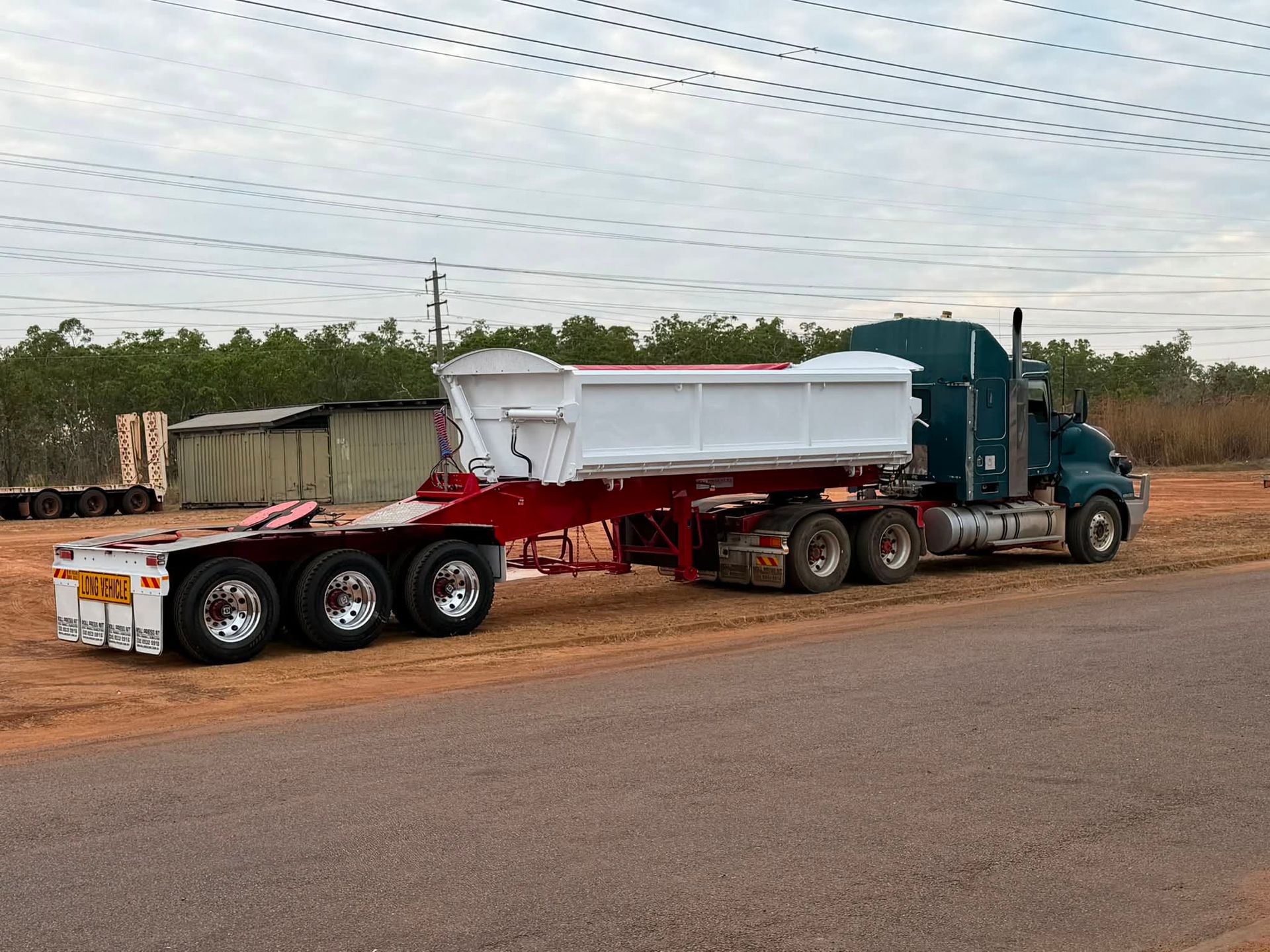
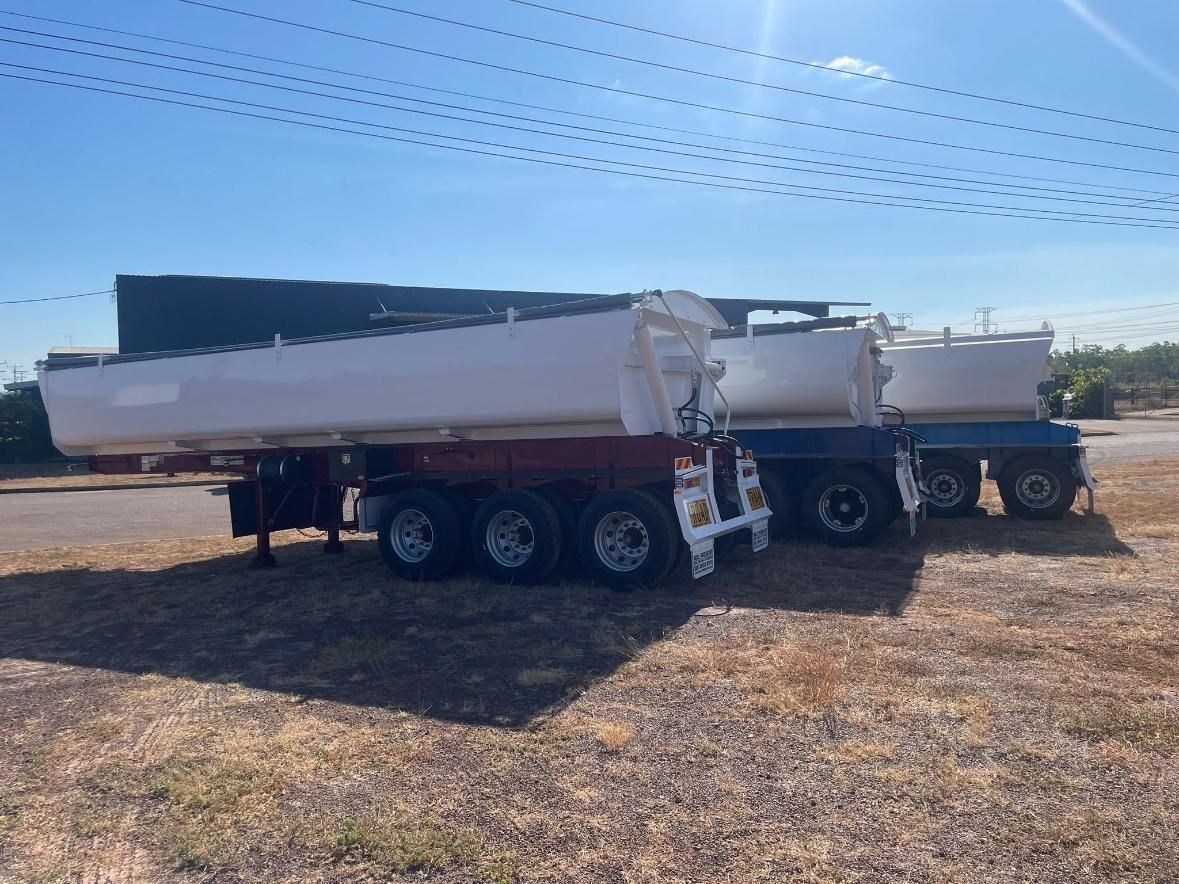
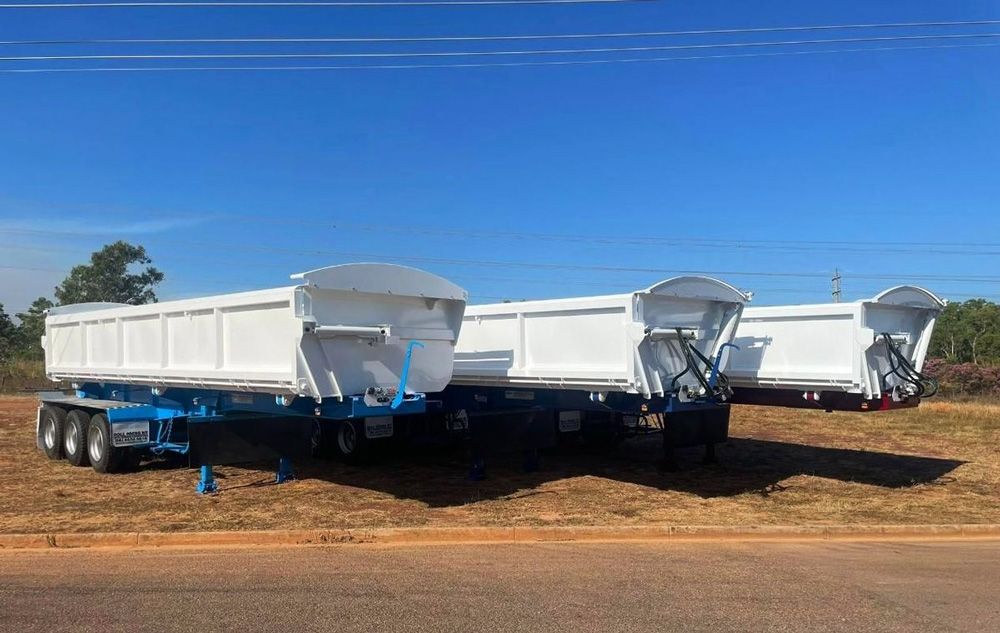
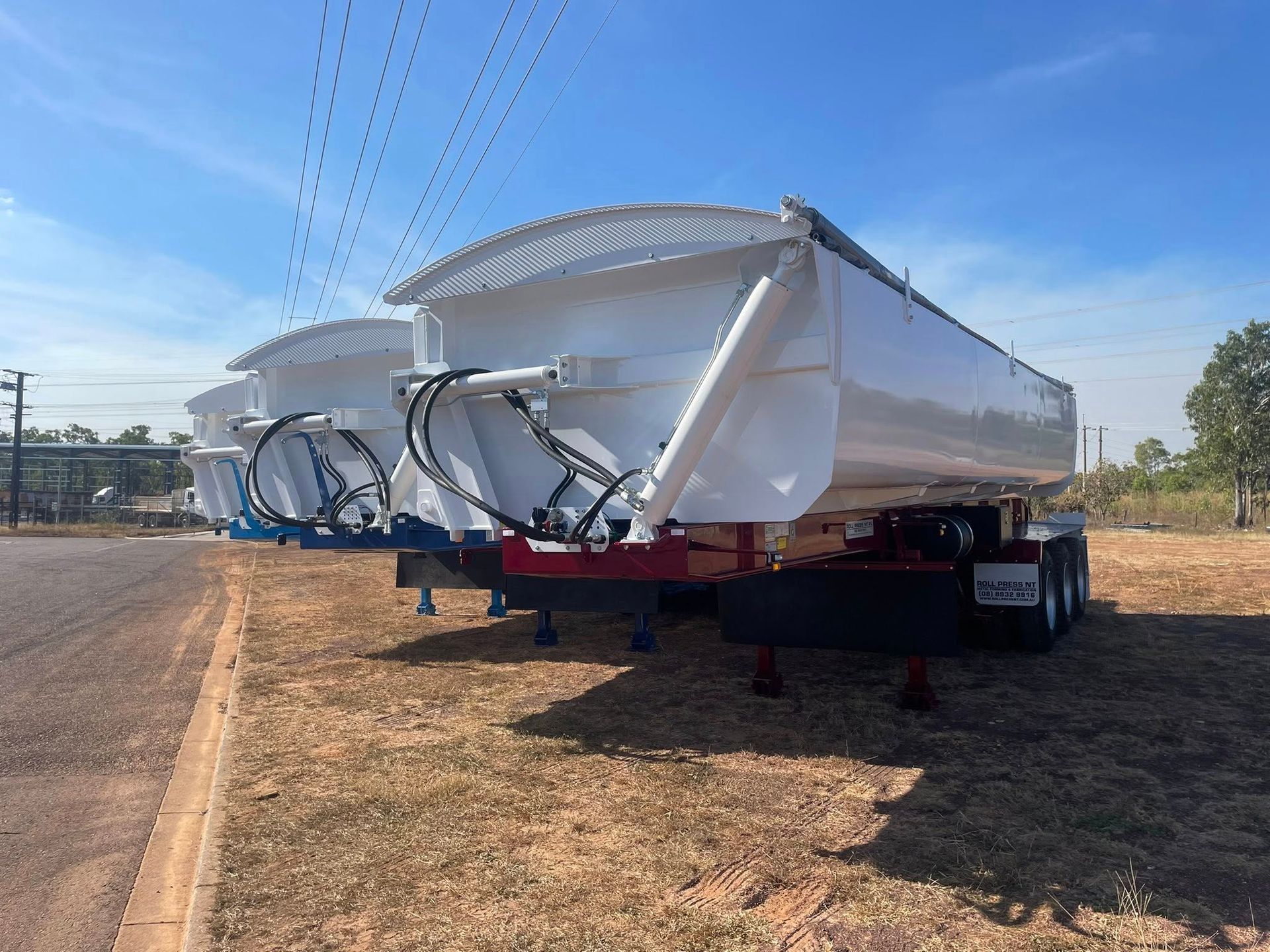
Custom side tippers in Darwin are often designed with load distribution in mind, helping to support more balanced operation across different applications.
Load-related issues include:
- Material piled unevenly across the tray
- Heavier sections shifting during transport
- Sticky or compacted loads that do not release evenly
- Overloading on one side of the trailer
The Role Of Hydraulic Systems In Controlled Tipping
Hydraulic systems play a critical role in how smoothly and evenly a side tipper operates. If these systems are not functioning correctly, the tipping motion may become uneven or inconsistent.
Manufacturing quality and regular maintenance both influence how well these systems perform under load.
Hydraulic-related factors include:
- Uneven extension of hydraulic rams
- Pressure inconsistencies within the system
- Wear or damage affecting performance
- Delayed or uneven lifting during operation
Uneven Ground And Site Conditions During Unloading
The surface on which a side tipper operates can significantly affect its stability. Uneven ground, soft soil or poorly prepared sites can all contribute to imbalance during tipping.
Operators need to assess site conditions carefully before unloading to reduce the risk of uneven movement.
Common site-related issues include:
- Sloped or uneven ground surfaces
- Soft or unstable soil conditions
- Poor site preparation before unloading
- Obstacles or uneven terrain affecting positioning
Structural Design And Build Quality Of Side Tippers
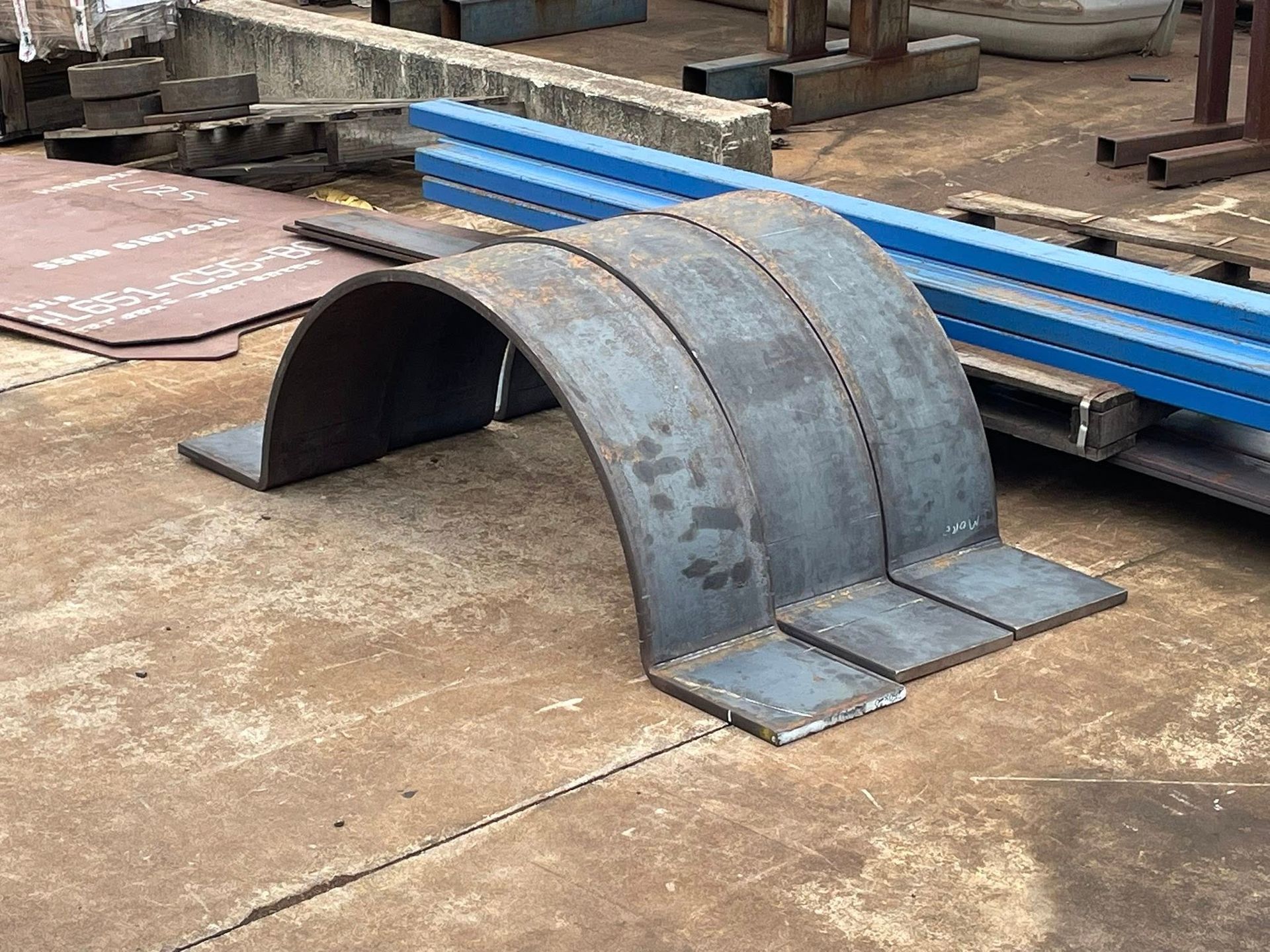
The design and build quality of a side tipper directly influence how it performs under load. Poorly designed or worn structures may not distribute weight effectively, increasing the likelihood of uneven tipping.
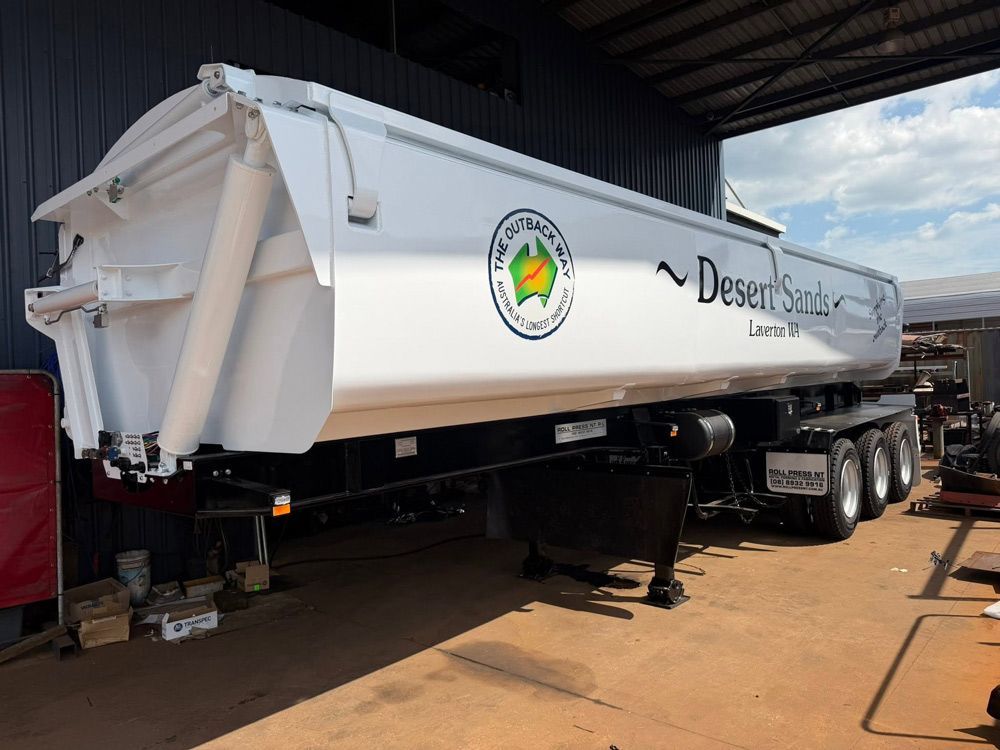
Side tipper manufacturing in Darwin focuses on creating equipment suited to local conditions and heavy-duty use, helping improve stability and performance.
Design-related factors include:
- Frame strength and structural integrity
- Weight distribution across the trailer
- Alignment of key components
- Suitability for intended load types
Wear And Tear: How Ongoing Use Affects Performance
Over time, regular use can lead to wear across various components of a side tipper. This can gradually affect how evenly the trailer tips, especially if maintenance is not carried out consistently.
Routine inspections help identify early signs of wear before they lead to operational issues.
Common wear-related issues include:
- Worn pivot points or hinges
- Hydraulic system degradation
- Structural fatigue from repeated use
- Misalignment of key components
Operator Technique And Loading Practices
Even with well-designed equipment, operator technique plays a major role in achieving balanced tipping. Loading methods and positioning during unloading can both influence the outcome.
Proper training and awareness can help reduce the risk of uneven tipping and improve overall efficiency.
Operator-related factors include:
- Uneven loading during filling
- Incorrect positioning before tipping
- Rapid or uncontrolled tipping actions
- Lack of adjustment for site conditions
How Custom-Built Side Tippers Improve Stability And Safety
Custom-built side tippers are designed to suit specific operational needs, helping to reduce common issues such as uneven tipping. By tailoring the design to the application, manufacturers can improve load balance and overall performance.
This approach supports safer and more efficient operations across a range of industries.
Benefits of custom manufacturing include:
- Improved weight distribution and balance
- Design suited to specific load types
- Enhanced structural strength for demanding conditions
- Better performance across varied site environments
Improve Safety And Performance With The Right Equipment
If uneven tipping is affecting your operations, we at Roll Press NT provide custom side tippers in Darwin designed to support safer and more reliable unloading. Visit our website to learn more about our side tipper manufacturing in Darwin and find side tippers near me built for local conditions and demanding workloads.