How Poor Weight Distribution Causes Side Tipper Rollovers In Darwin
Rollover incidents rarely happen without warning. In heavy haulage, small miscalculations in load placement can quickly escalate into serious stability failures, particularly when operating side tippers in Darwin across demanding worksites. Weight distribution plays a critical role in safe tipping, yet it is often overlooked until an incident occurs. For fleet managers and operators, understanding how load balance interacts with design, terrain and operating conditions is essential to reducing risk and maintaining uptime.
Poor weight distribution does more than strain components. It shifts the centre of gravity, increases lateral force during discharge and amplifies instability on uneven ground. When tipping begins, any imbalance becomes magnified. In challenging transport environments, that margin for error narrows even further.
Why Weight Distribution Matters In Side Tippers In Darwin
Load balance determines how a trailer behaves from departure through to discharge. When weight sits unevenly across the body, the centre of gravity shifts laterally, increasing rollover potential during tipping. Even if total load limits are compliant, poor distribution can compromise stability.
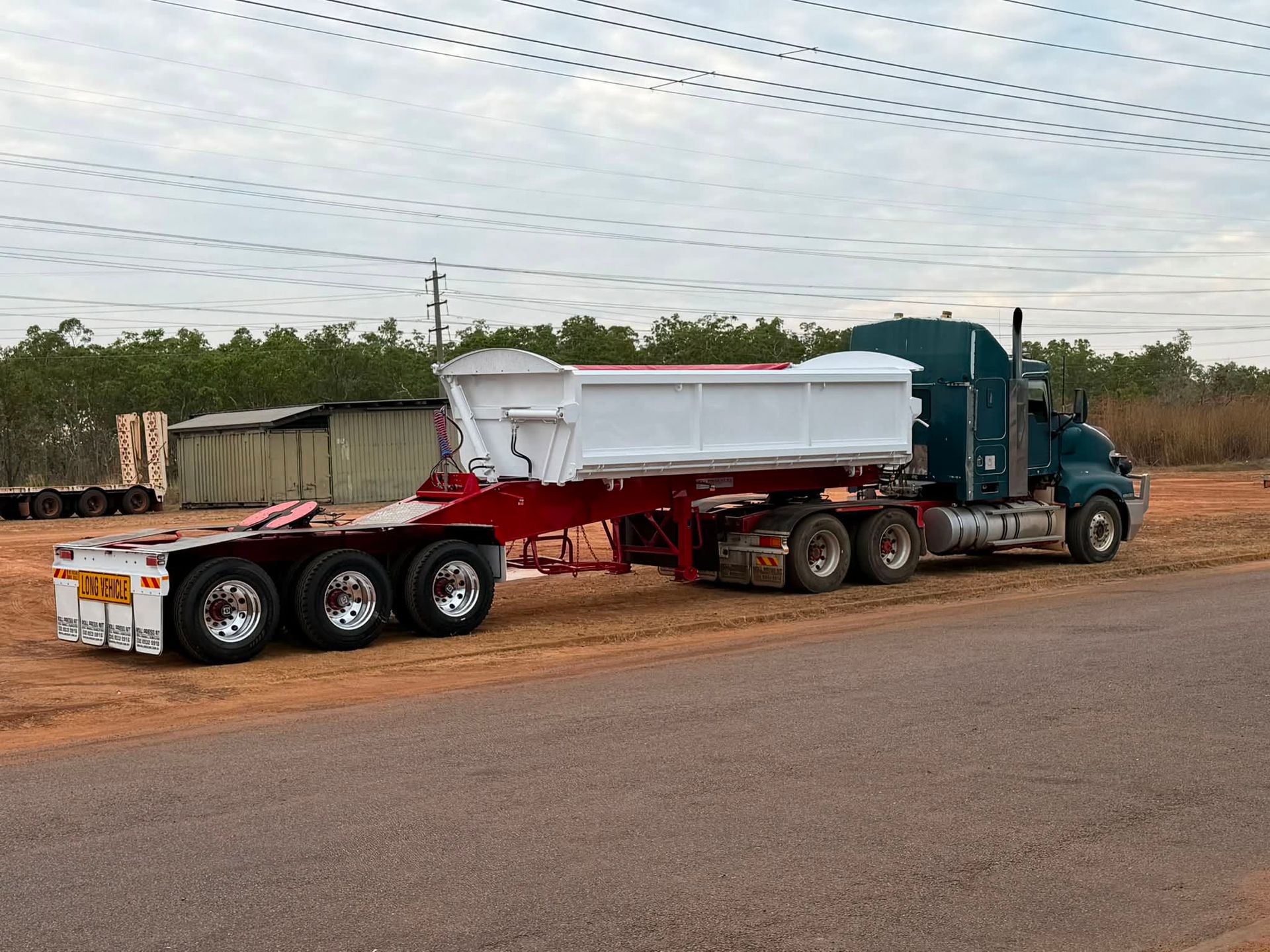
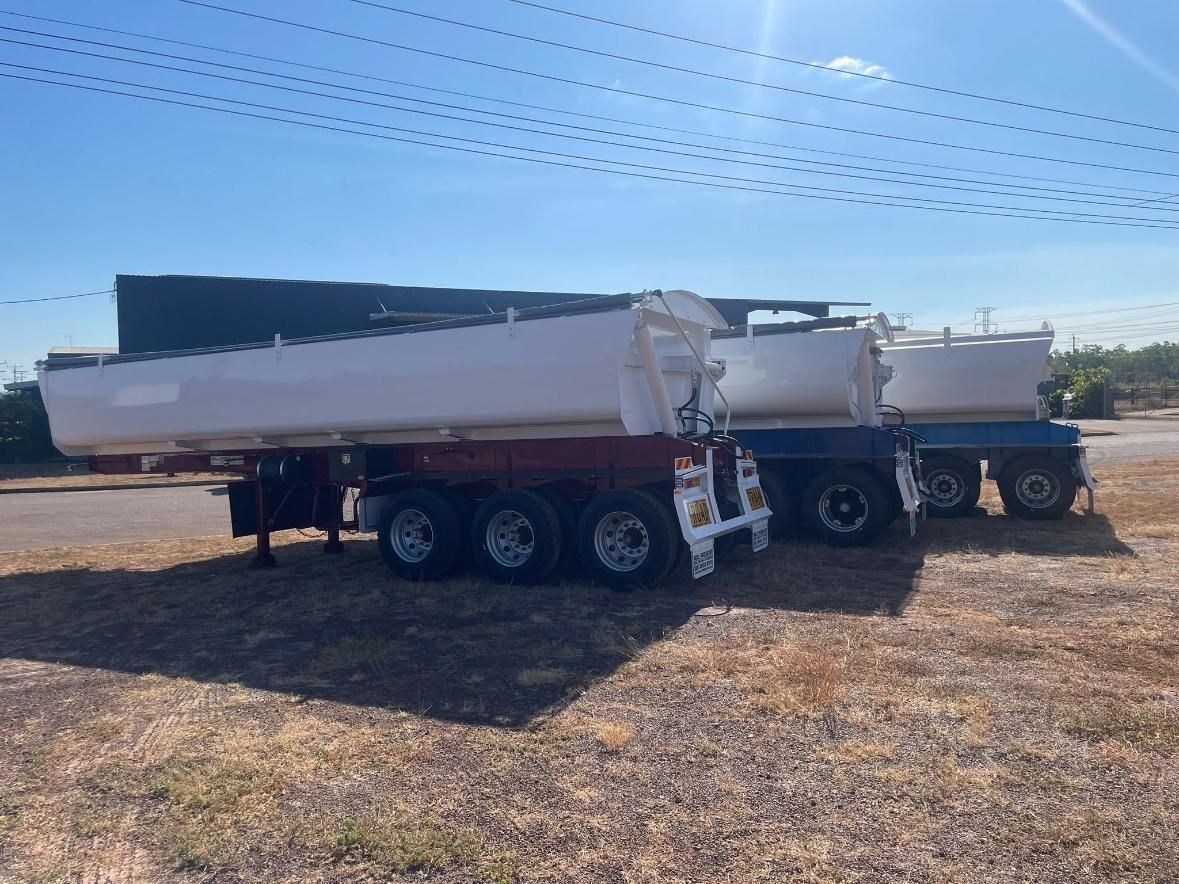
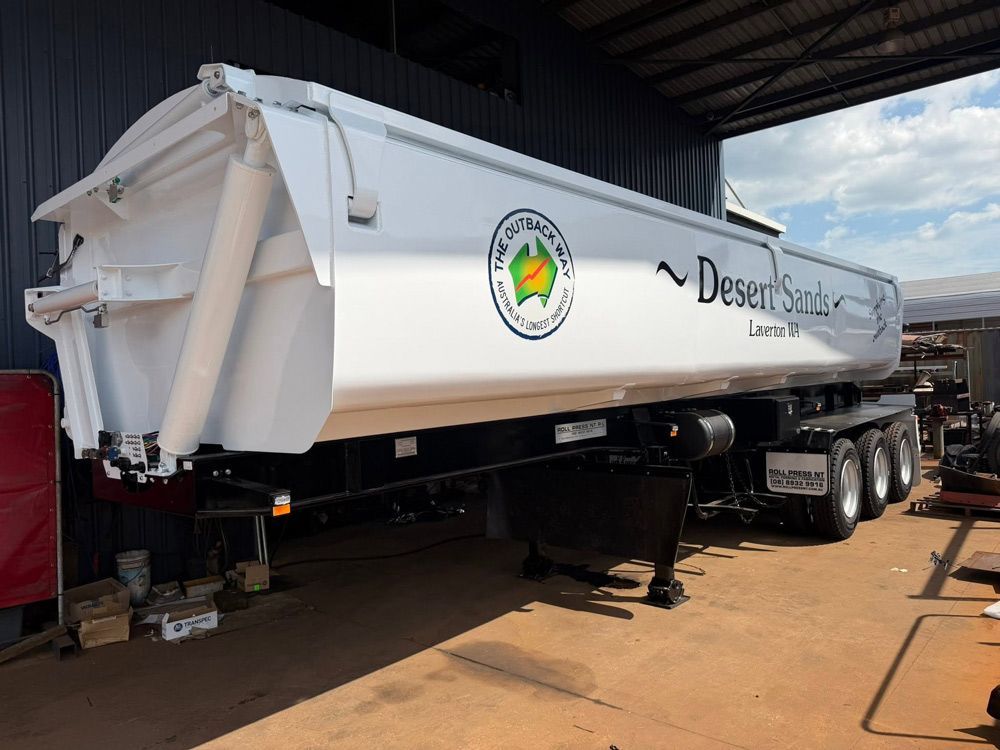
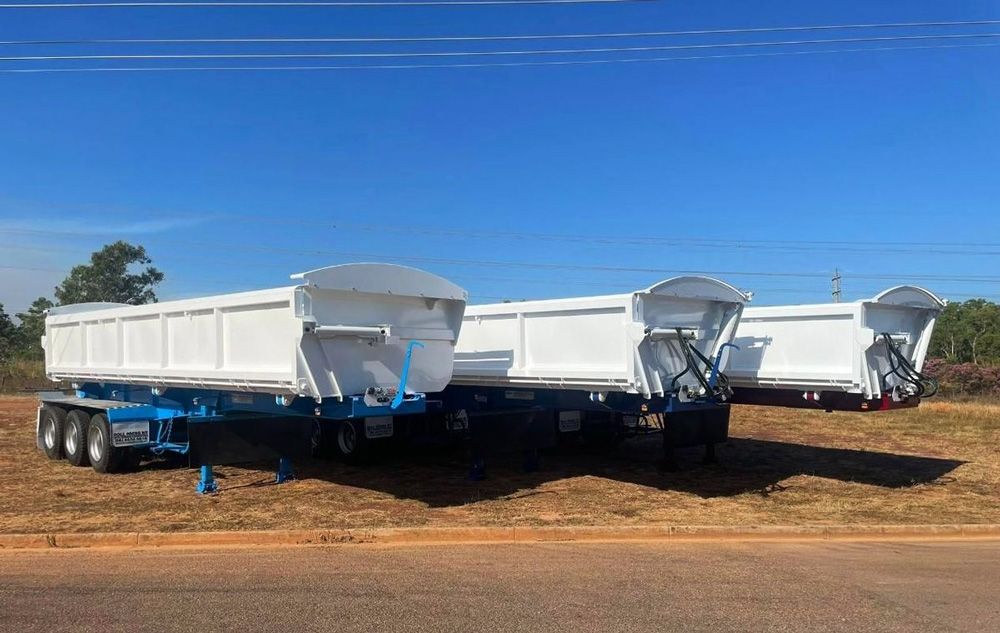
In side tippers in Darwin, design features directly influence how weight is managed and transferred. Precision fabrication ensures that structural alignment and geometry support even load dispersal.
Key mechanical factors influencing rollover risk include:
- Height of the load relative to the tipping pivot
- Concentration of material toward one wall
- Chassis rigidity during lift
- Axle positioning & weight transfer
- Body symmetry & structural balance
Manufacturing accuracy plays a significant role in ensuring these factors work together rather than against each other.
Load Shifts On Uneven NT Terrain Increase Rollover Risk
Transport operations frequently move between sealed roads and unprepared surfaces. Corrugations, sloped pads and soft shoulders introduce instability long before tipping begins. A trailer that appears level on approach may sit unevenly once stationary.
When loads shift during travel, particularly loose aggregates or wet material, weight migrates toward one side wall. Upon lift, that imbalance intensifies. Even minor lean angles can compound rapidly.
Common terrain-related contributors include:
- Corrugated access roads that redistribute loose loads
- Soft ground that compresses unevenly under axle weight
- Sloped dumping areas that tilt the chassis
- Erosion along road shoulders
Well-engineered side tippers for sale in Darwin account for these operating realities by prioritising balance and structural reinforcement.
Wet Season Risks: How Road Conditions Increase Rollover Potential
Seasonal weather patterns introduce additional instability factors. Waterlogged ground and slick clay surfaces reduce traction and alter how weight transfers across axles. During discharge, one side of the trailer may settle into soft ground while the opposite side remains elevated.
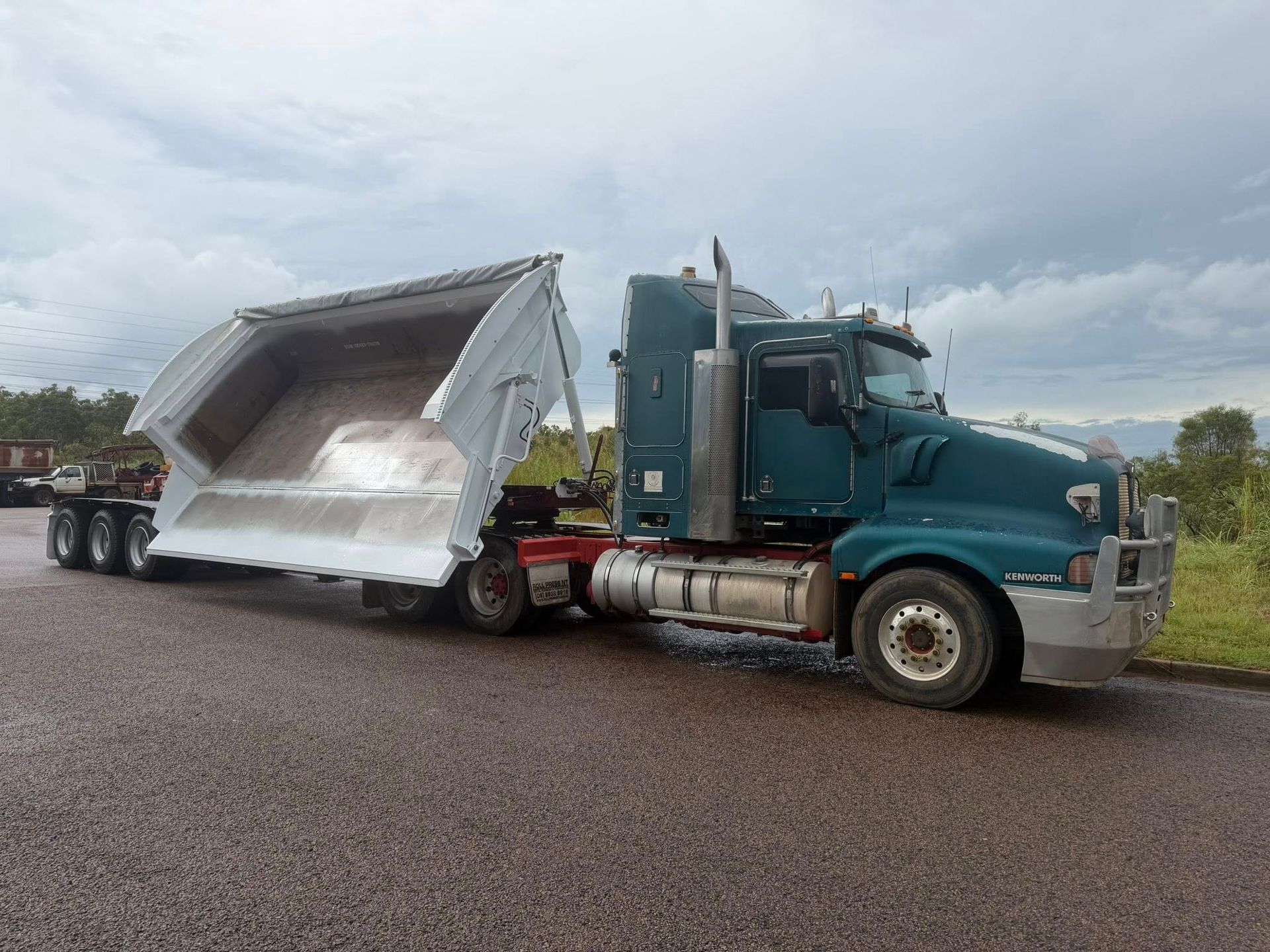
This uneven footing changes load dynamics mid-tip. As the body rises, lateral force increases, placing additional stress on the chassis and pivot points.
Wet conditions commonly introduce:
- Reduced tyre grip on saturated surfaces
- Ground subsidence under one axle group
- Soft dumping pads that tilt during discharge
- Water accumulation altering material weight
Side tipper manufacturing in Darwin must consider material strength, frame integrity and balance to withstand such environmental pressures without amplifying rollover risk.
The Role Of Chassis Engineering In Preventing Side Tipper Rollovers
The chassis forms the structural backbone of any side tipper. Frame alignment, weld quality and reinforcement placement directly affect stability during lift. When chassis flex occurs unevenly, weight shifts unpredictably.
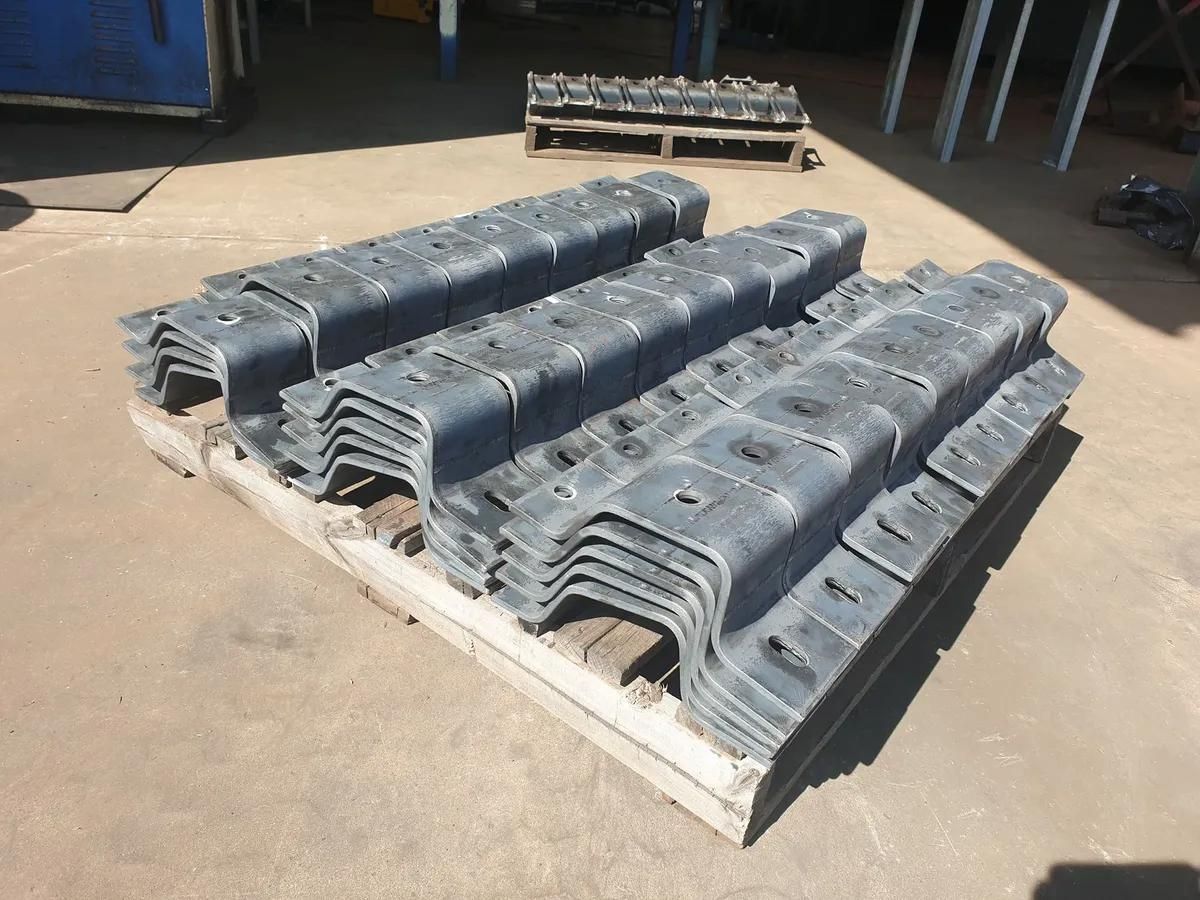
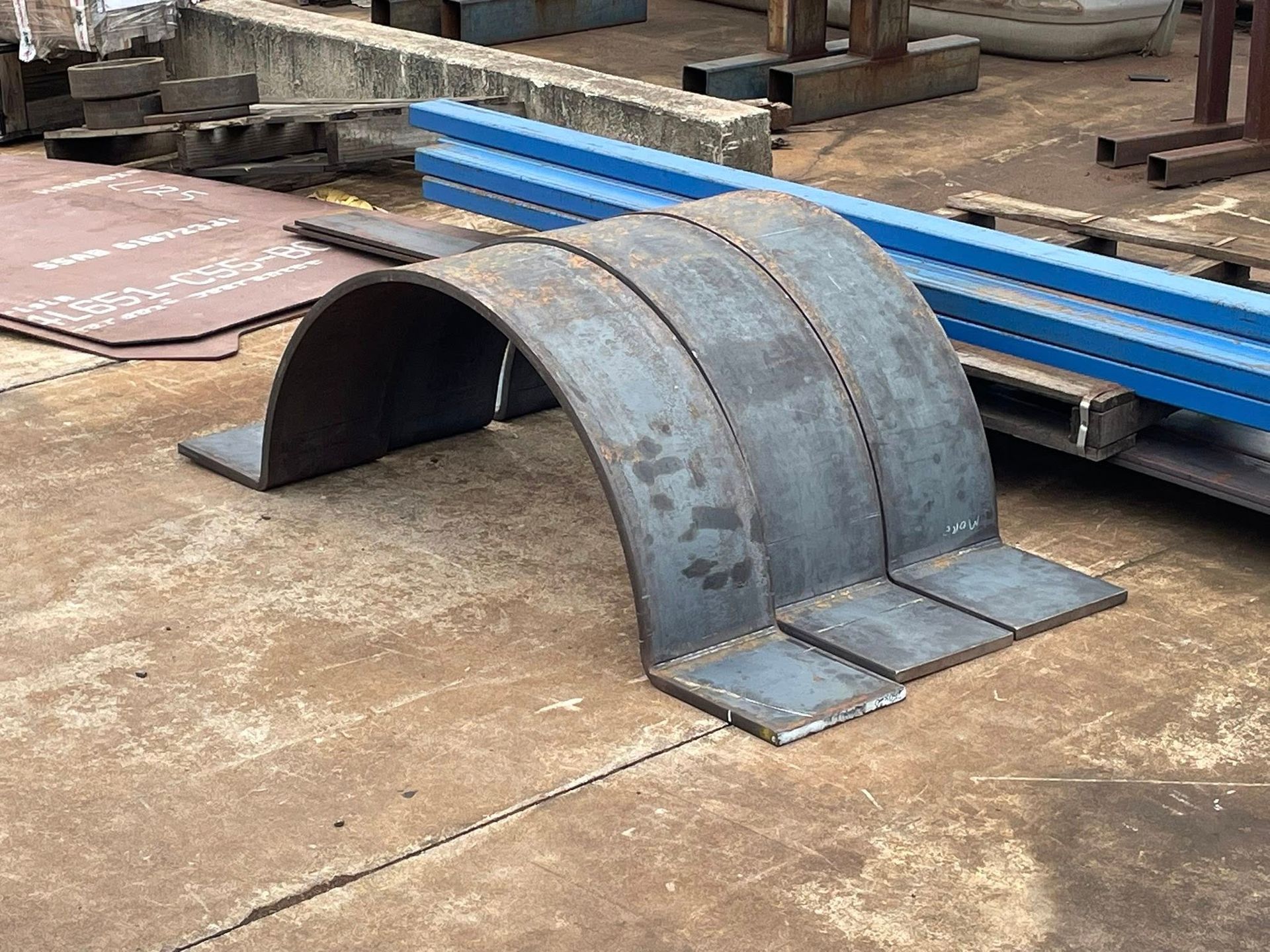
Steel fabrication precision ensures structural integrity remains consistent under load. Reinforced pivot mounts and balanced frame construction help maintain even lift geometry.
Critical structural elements include:
- Reinforcement at stress concentration points
- Properly aligned hinge & pivot assemblies
- Balanced cross members
- Accurate axle spacing
- Uniform weld penetration & consistency
Poor fabrication can allow twisting or distortion under load, increasing rollover likelihood. Precision engineering mitigates these risks by maintaining structural symmetry throughout operation.
Axle Configuration & Suspension: Built For NT Conditions
Axle positioning determines how the weight is distributed across the trailer during travel and tipping. Incorrect configuration can concentrate stress on one section of the chassis, especially during lift.
Suspension systems also influence stability by controlling how weight transfers between axle groups. Consistent ground contact across all wheels reduces sudden shifts in balance.
Important stability factors include:
- Even load sharing between axles
- Suspension responsiveness during lift
- Consistent ground contact on uneven pads
- Controlled weight transfer as the body rises
Well-designed side tippers in Darwin incorporate axle layouts that support balanced tipping cycles, particularly for off-road and civil operations.
Incorrect Loading Practices Create Stability Issues
Exceeding legal limits is not the only cause of rollover incidents. Even compliant loads can create instability if the material is unevenly distributed. Concentrated weight against one wall elevates the centre of gravity on that side.
Common loading errors include:
- Uneven fill from excavator placement
- Overconcentration at the front or rear
- Dense material layered on one side
- Tipping on unlevel ground
Side tippers for sale in Darwin often feature body geometry designed to assist with balanced loading, but operator awareness remains critical. Consistent load monitoring reduces preventable instability.
How Quality Side Tipper Manufacturing In Darwin Supports Safer Operations
Manufacturing tailored to local operating demands plays a direct role in safety outcomes. Structural reinforcements, material thickness and dimensional accuracy influence how a trailer performs under stress.
High-quality fabrication supports consistent load alignment and minimises frame distortion during repeated tipping cycles. Design considerations extend beyond capacity to include stability geometry.
Important manufacturing considerations include:
- Reinforced structural rails
- Balanced body dimensions
- Accurate hinge alignment
- Durable steel selection suited to heavy use
- Symmetrical frame fabrication
Side tipper manufacturing in Darwin that prioritises engineering precision contributes to more predictable load behaviour and reduced rollover risk.
Choosing Side Tippers For Sale In Darwin That Reduce Rollover Risk
Fleet investment decisions influence long-term safety performance. Stability features should form part of procurement criteria rather than focusing solely on payload capacity.
When assessing side tippers in Darwin, operators should consider how the design supports safe discharge under varied conditions.
Important evaluation points include:
- Balanced chassis & body geometry
- Reinforced pivot systems
- Stable axle & suspension configuration
- Structural integrity under heavy load
- Compatibility with intended terrain
Investing in stability-focused engineering reduces the likelihood of weight-induced rollover incidents and supports safer daily operations.
Reduce Risk Through Smarter Design
At Roll Press NT, we understand how demanding transport conditions can impact stability and safety. We manufacture side tippers designed to handle real-world challenges faced by operators working across Northern Territory conditions.
If you are reviewing your fleet or considering side tippers for sale in Darwin, speak with us about manufacturing solutions that prioritise structural balance and long-term durability. Contact us today to discuss how we can support safer, more reliable tipping operations.