
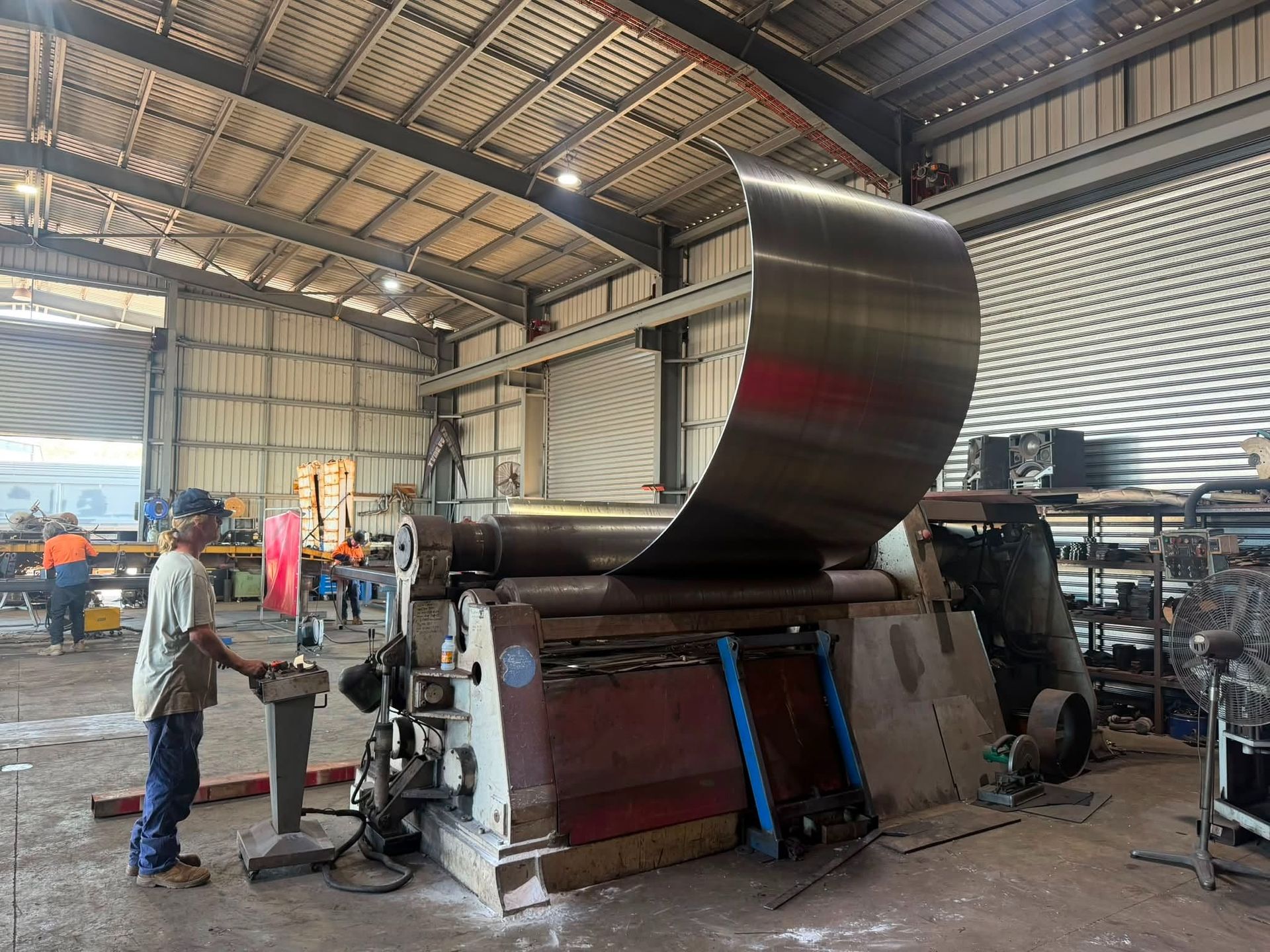
Why Precision Measuring Is Essential For Steel Fabrication

Roll Press NT • September 29, 2026

Precision measuring is essential for steel fabrication because every cut, bend, hole and weld depends on it. Accurate measurements ensure fabricated components fit first time, meet engineering specifications and install without rework. For businesses relying on steel fabrication in Darwin, getting the numbers right at the start saves time, money and headaches down the track.


Steel doesn't forgive guesswork. Once a plate has been cut short or a hole punched in the wrong place, the fix usually means scrapping material, re-welding or starting again. That's why experienced fabricators treat measuring as the foundation of the whole job, not a box to tick before the real work begins.

What Does Precision Measuring Mean in Steel Fabrication?

Precision measuring means capturing and checking dimensions to the tolerance a job actually requires, at every stage of the process. It starts with site measurements or engineering drawings, carries through cutting, forming and welding, and finishes with a final inspection before the component leaves the workshop.


It isn't just about reading a tape measure carefully. Good fabricators account for things like material thickness in bend calculations, springback when rolling plate and weld distortion as metal heats and cools. Those allowances separate a part that looks right on paper from one that actually bolts into place.

Why Does Accuracy Matter So Much in Fabricated Steel?

Accuracy matters because fabricated steel rarely works in isolation. A bracket has to line up with existing holes, a chute has to meet a conveyor and a trailer chassis has to accept axles, suspension and a body without forcing anything into position.


Small errors compound quickly. A few millimetres off at one end of a long member can become a serious misalignment by the time multiple components come together. On structural work, poor fit-up can also affect load paths and connection strength, which turns a dimensional problem into a safety concern.

How Precision Supports Engineering Specifications

Engineers specify dimensions, hole positions and tolerances for a reason. In Australia, structural steelwork is generally fabricated and erected in line with AS/NZS 5131, which sets out tolerance and quality requirements. Precise measuring is how a fabricator proves the finished component meets those requirements rather than simply hoping it does..

How Does Precision Measuring Reduce Costs and Material Waste?

Precision measuring reduces costs by getting parts right the first time. Every piece of steel cut to the wrong length is wasted material, wasted labour and lost machine time. Accurate measuring and nesting also help fabricators get more usable parts from each sheet or length of steel.


The bigger savings often show up on site. When components arrive and fit as intended, installation crews spend their time installing rather than grinding, packing or re-drilling. That matters for any operation where every hour of shutdown or downtime carries a real cost.

What Rework Really Costs

Rework rarely costs just the price of the replacement part. It can involve freight back to the workshop, a second installation window, extra crane or labour hire and delays to the trades waiting on your steel. According to industry best practice, the cheapest place to fix a measuring error is on the drawing, before any steel gets cut.

What Role Do Drawings and CAD Play in Accurate Fabrication?

Detailed drawings and computer-aided design (CAD) turn measurements into a clear, shared set of instructions. CAD lets fabricators model components, check how parts fit together and pick up clashes before production starts. It also produces cutting files that feed directly into machines such as CNC plasma cutters.


That digital link reduces the risk of transcription errors. Instead of a fabricator re-measuring and marking out every part by hand, the machine cuts to the programmed dimensions. The result is consistent parts, whether you need one component or fifty identical ones.

Why Site Measurements Still Matter

CAD is only as good as the information going into it. On older plant, farm infrastructure or mine-site equipment, original drawings are often missing or out of date after years of modifications. A careful site measure of what's actually there, rather than what the drawings say should be there, prevents a well-made part from failing to fit..

What Measuring Equipment Do Steel Fabricators Use?

Professional fabricators use a range of tools matched to the size and tolerance of the job. Common equipment includes:


  • Steel rules and quality tape measures for general layout and length checks
  • Digital calipers and micrometers for material thickness, hole sizes and fine tolerances
  • Engineer's squares, protractors and digital angle finders for checking right angles and bend angles
  • Laser distance measures and laser levels for site measurements and alignment
  • Radius gauges and templates for checking rolled and curved components


Equipment alone isn't enough. Tools need regular calibration checks, and fabricators need the experience to know which tool suits which measurement. Darwin's climate adds another factor, since steel expands in the heat, so experienced teams stay mindful of temperature when measuring and fitting long members.

How Does Precision Measuring Support Quality Control?

Precision measuring is the backbone of quality control. Checks at key stages, such as after cutting, after forming and before final welding, catch problems while they're still easy to fix. Waiting until the end to measure means any error is already locked into a welded assembly.


Good quality assurance also creates accountability. Recording critical dimensions gives clients confidence that their components meet specification and provides a reference point if questions come up during installation or future maintenance..

Example: A Replacement Chute for a Processing Plant

A plant operator needs a replacement discharge chute during a scheduled shutdown. The original drawings no longer match the plant, because a previous modification shifted a mounting flange. The fabricator measures the existing mounting points on site, models the chute in CAD and checks flange hole positions against the site data before cutting. The new chute bolts straight in during the shutdown window with no on-site modification, and the plant restarts on schedule. Without that site measure, the chute would have matched the old drawings and missed the flange entirely.

How Does Accurate Measuring Improve Safety On Site?

Accurate measuring improves safety by reducing the amount of cutting, grinding, welding and forcing that happens on site. Every time a crew modifies a component at height, in a confined space or near operating equipment, the risk goes up. Parts that fit as designed keep hot work and manual handling to a minimum.


Well-fitting components also perform as intended. Correctly aligned connections carry loads the way the engineer designed them to, which matters for platforms, stairs, guarding, trailers and structural frames that people rely on every day..

How to Choose a Steel Fabrication Company in Darwin That Prioritises Accuracy

The right fabricator treats accuracy as part of their process, not a promise on a brochure. When comparing local fabricators, ask practical questions about how they manage measurement from start to finish:


  1. Do they measure on site when needed? A fabricator willing to check existing conditions will catch problems that drawings miss.
  2. What equipment do they use? Look for modern machinery such as CNC plasma cutters, press brakes, guillotines and plate rolls, which support repeatable accuracy.
  3. How do they check work during fabrication? Ask when and how they inspect critical dimensions, not just whether they do.
  4. Do they have relevant industry experience? Mining, transport, agricultural and industrial work each come with their own tolerances and practical demands.
  5. Can they handle both one-off and repeat work? Consistency across multiple identical parts is a strong sign of good measuring discipline.


Roll Press NT has provided metal forming and steel fabrication from its fully equipped Tivendale workshop since 2009. The team works across transport, mining, marine, agricultural and industrial projects, using CNC plasma cutting, press brakes, guillotines and rolling machines to produce components that meet each client's specifications.

The Takeaway: Measure Twice, Fabricate Once

Precision measuring protects your budget, your schedule and your people. Before your next project, gather the best information you can, including drawings, photos, existing dimensions and load or operating requirements. Share it early with a team that takes accuracy seriously, and your next job involving steel fabrication in Darwin will run far more smoothly from workshop to installation..

Frequently Asked Questions

  • Why is precision measuring important in steel fabrication?

    Precision measuring ensures fabricated components fit correctly, meet engineering specifications and install without rework. It reduces wasted material and labour while preventing on-site modifications that add cost and safety risk.

  • What tolerances apply to structural steel fabrication in Australia?

    Structural steelwork in Australia is generally fabricated and erected in line with AS/NZS 5131, which sets tolerance and quality requirements. Specific tolerances also depend on the engineer's drawings and the component's purpose, so always confirm project requirements with your engineer and fabricator.

  • Do I need engineering drawings before ordering fabricated steel?

    Structural and load-bearing work usually requires engineering drawings. For simpler custom metalwork, a good fabricator can often work from sketches, photos and site measurements, then prepare drawings for your approval before fabrication begins.

  • Can a fabricator measure on site for replacement parts?

    Many fabricators offer site measuring, which is especially valuable for older equipment where original drawings are missing or out of date. Measuring existing mounting points and clearances helps ensure the replacement part fits first time.

  • How does CAD improve steel fabrication accuracy?

    CAD lets fabricators model parts, check fit between components and detect clashes before cutting any steel. It also generates cutting files for CNC machines, which reduces manual marking-out errors and produces consistent parts.

  • How does Darwin's climate affect steel measurements?

    Steel expands as it heats, so long members can measure slightly differently in the heat of the day than in the cool of the morning. Experienced fabricators allow for temperature when measuring, fitting and installing larger components.

Worker Doing Steel Fabrication in Darwin
By Roll Press NT • October 12, 2026
Discover how steel fabrication in Darwin helps reduce industrial downtime through durable, custom components. Improve efficiency and enquire today!
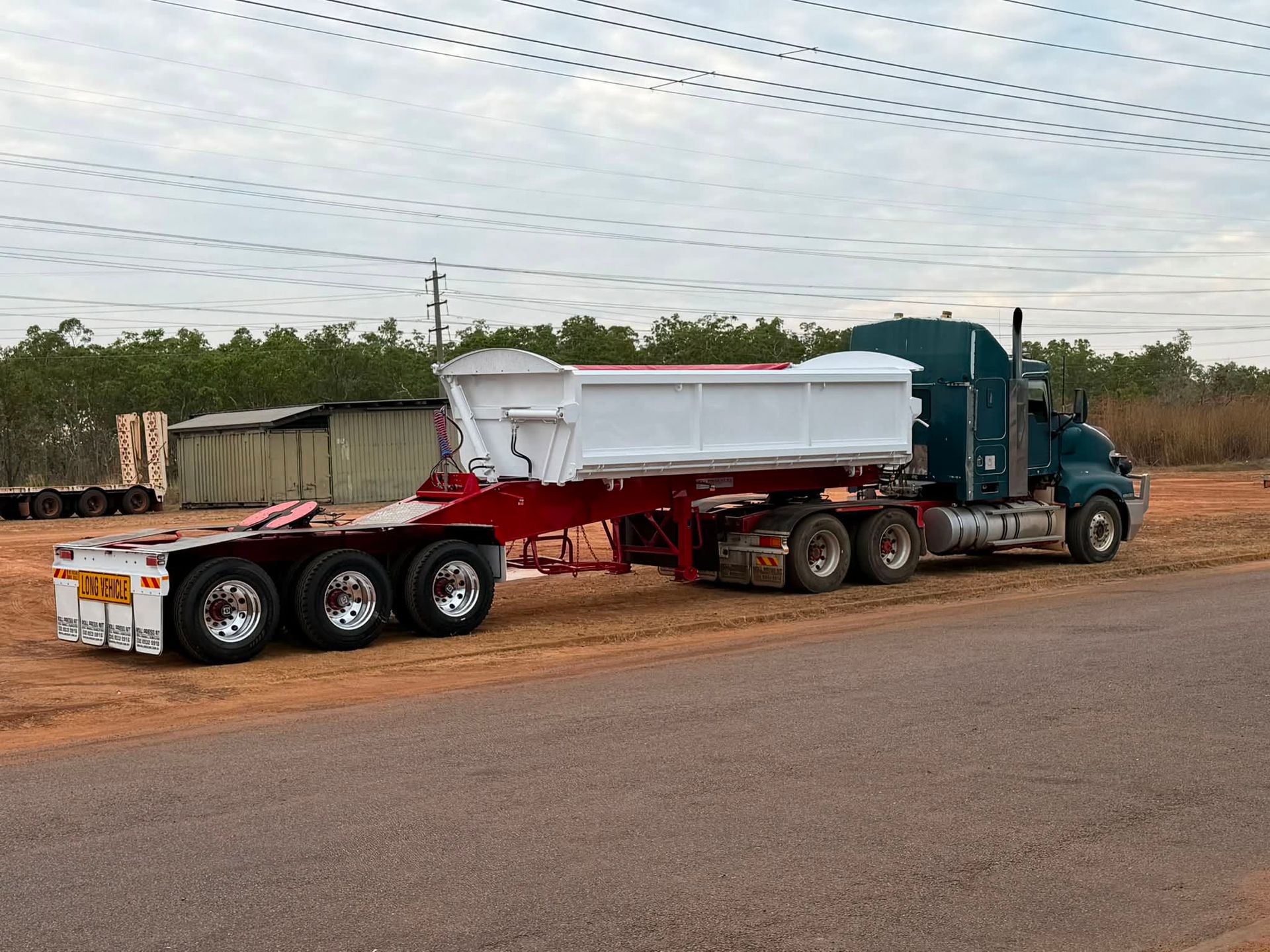
Side Tippers In Darwin
By Roll Press NT • September 7, 2026
Discover how side tippers in Darwin reduce downtime, repairs and long-term costs. Explore the benefits and make a smarter fleet investment today.
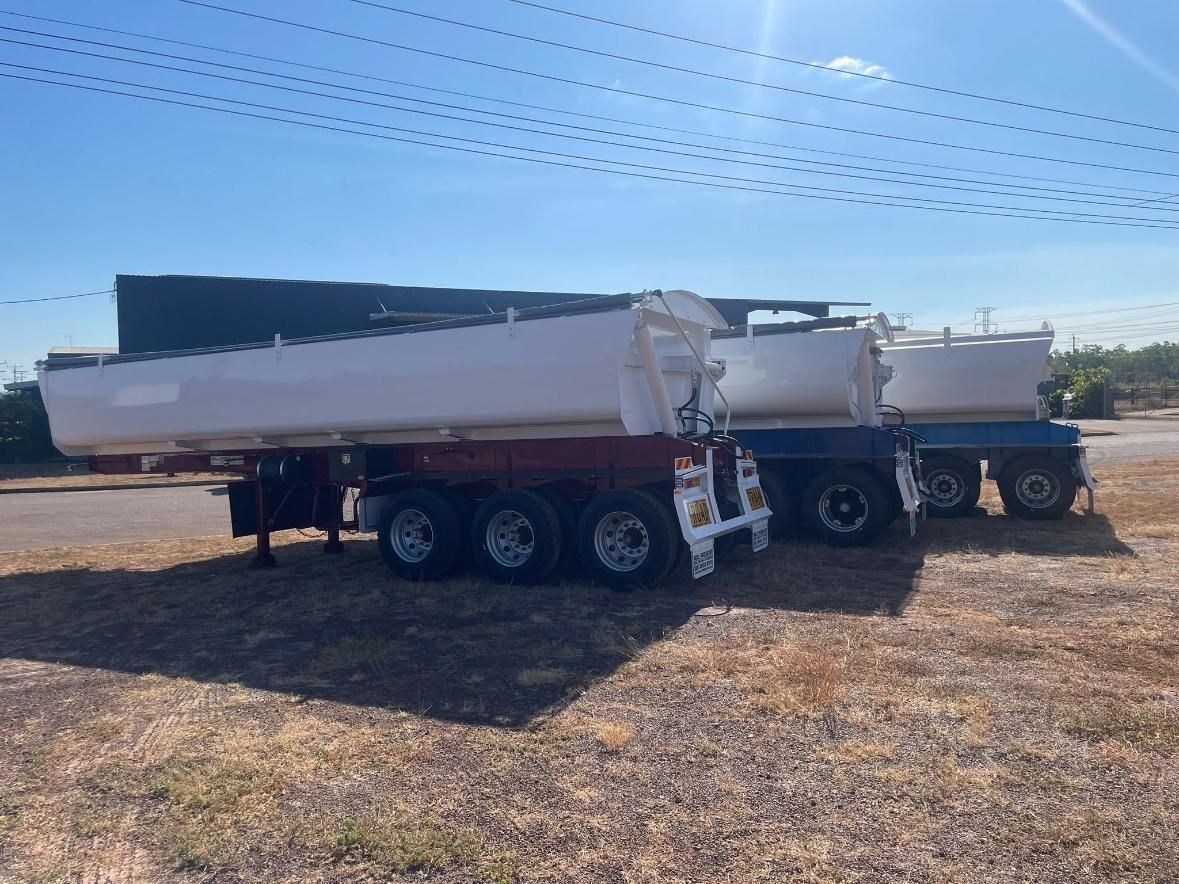
Custom Side Tippers Darwin
By Roll Press NT • July 2, 2026
For anyone running or sourcing custom side tippers in Darwin, a clear picture of common maintenance issues is practical knowledge worth having.
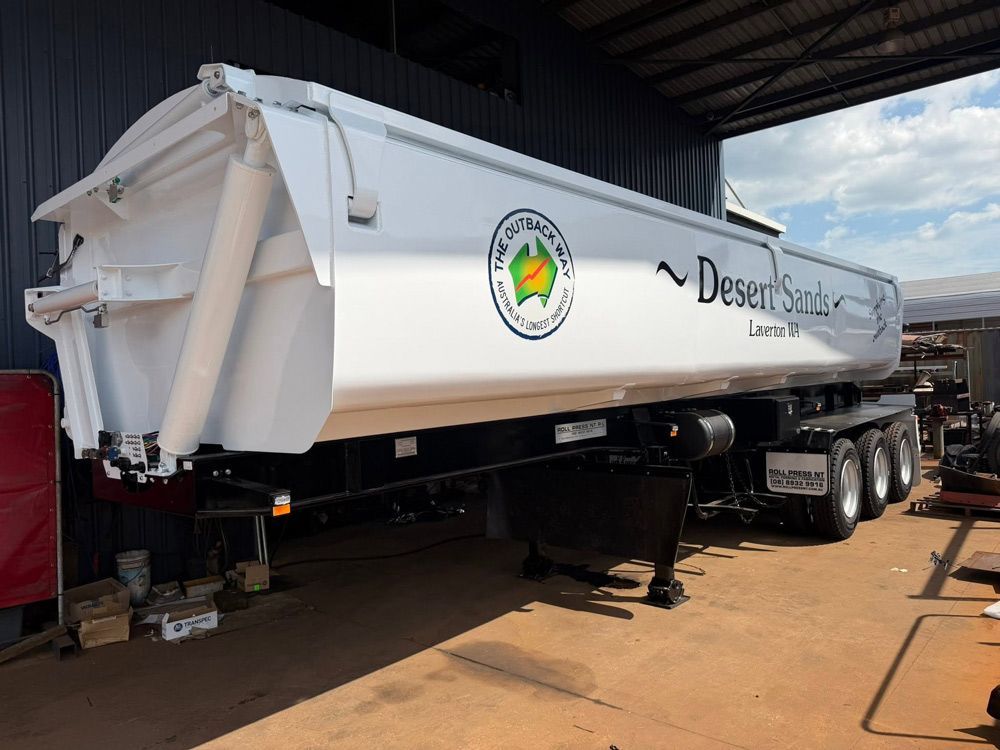
White Custom Side Tipper
By Roll Press NT • June 19, 2026
Compare hire vs buy for custom side tippers Darwin and choose the best fit for your fleet. Talk to our team today for expert advice.
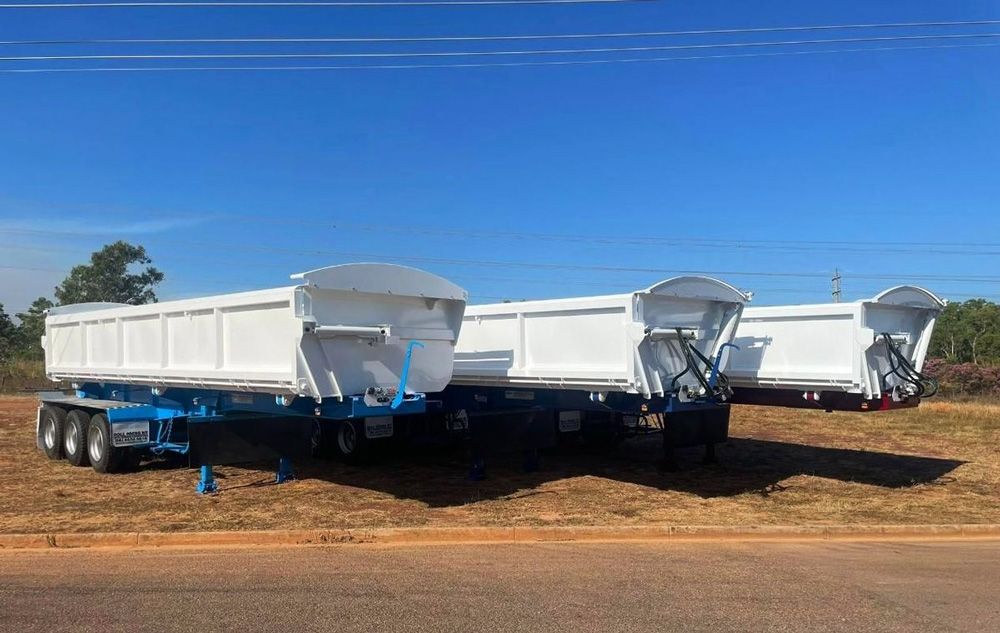
Three White Side Tippers Parked Roadside In Darwin
By Roll Press NT Pty Ltd • April 28, 2026
Discover how worn hydraulics lead to failures in side tippers in Darwin. Prevent costly downtime with expert tips and maintenance advice. Read now.
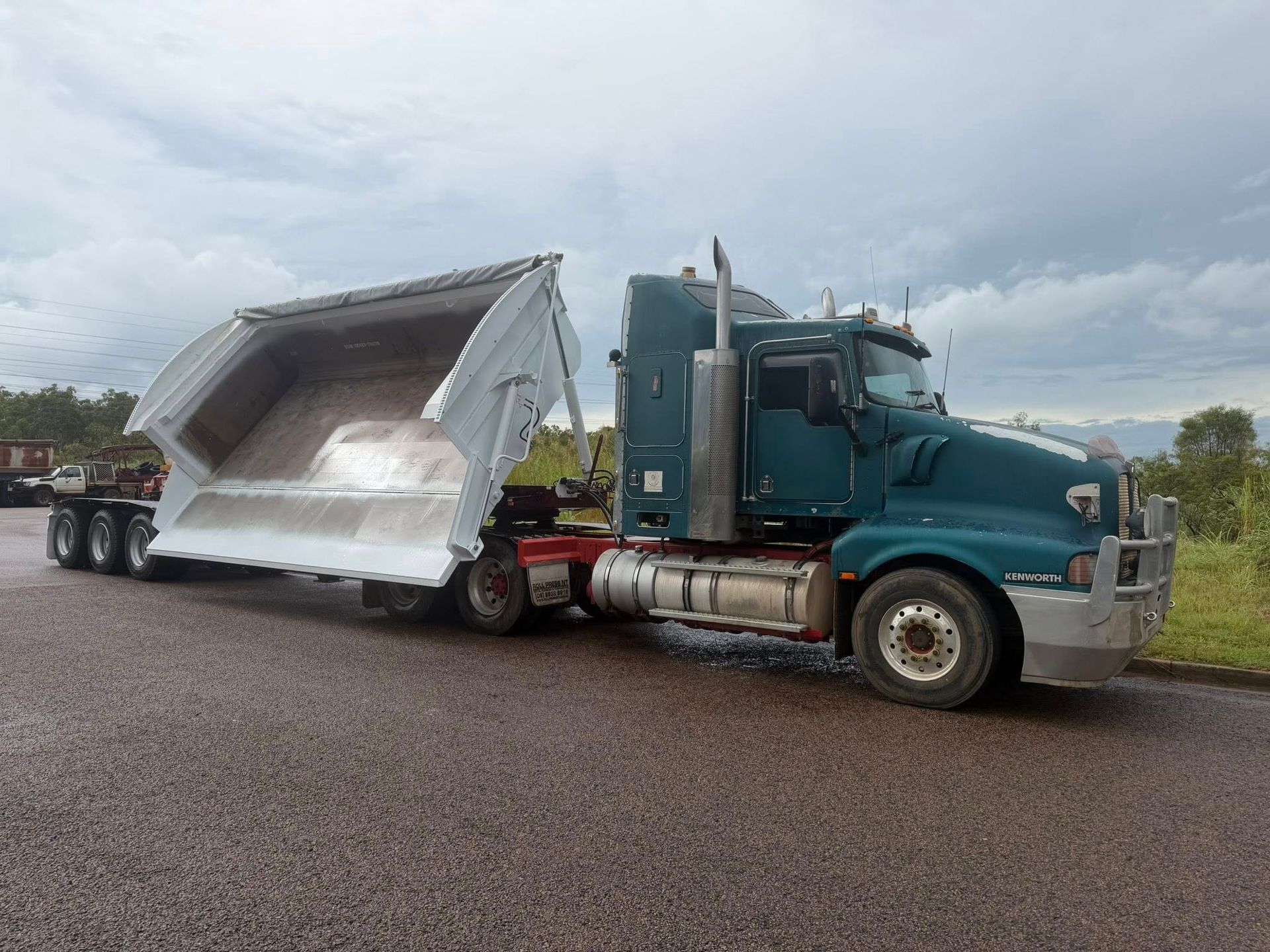
A Side Tipper Truck On The Side Of The Road
By Roll Press NT Pty Ltd • March 30, 2026
Learn what causes uneven tipping in side tippers and how custom side tippers in Darwin improve stability. Reduce risk and read our guide today.
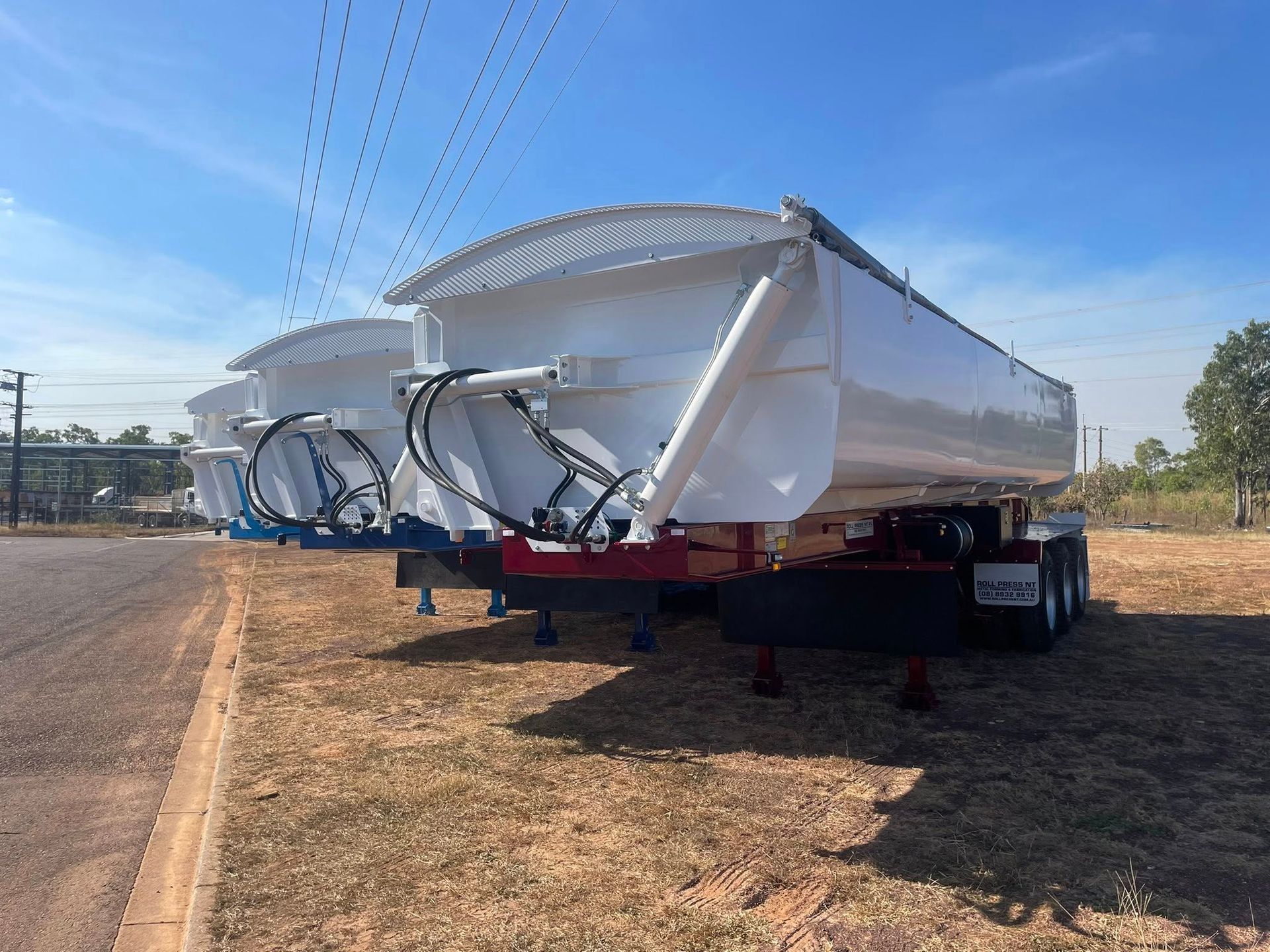
Side Tipper On The Side Of The Road
By Roll Press NT Pty Ltd • March 18, 2026
Learn how poor weight distribution causes rollovers in side tippers in Darwin. Explore safety tips and side tippers for sale. Read our guide today.
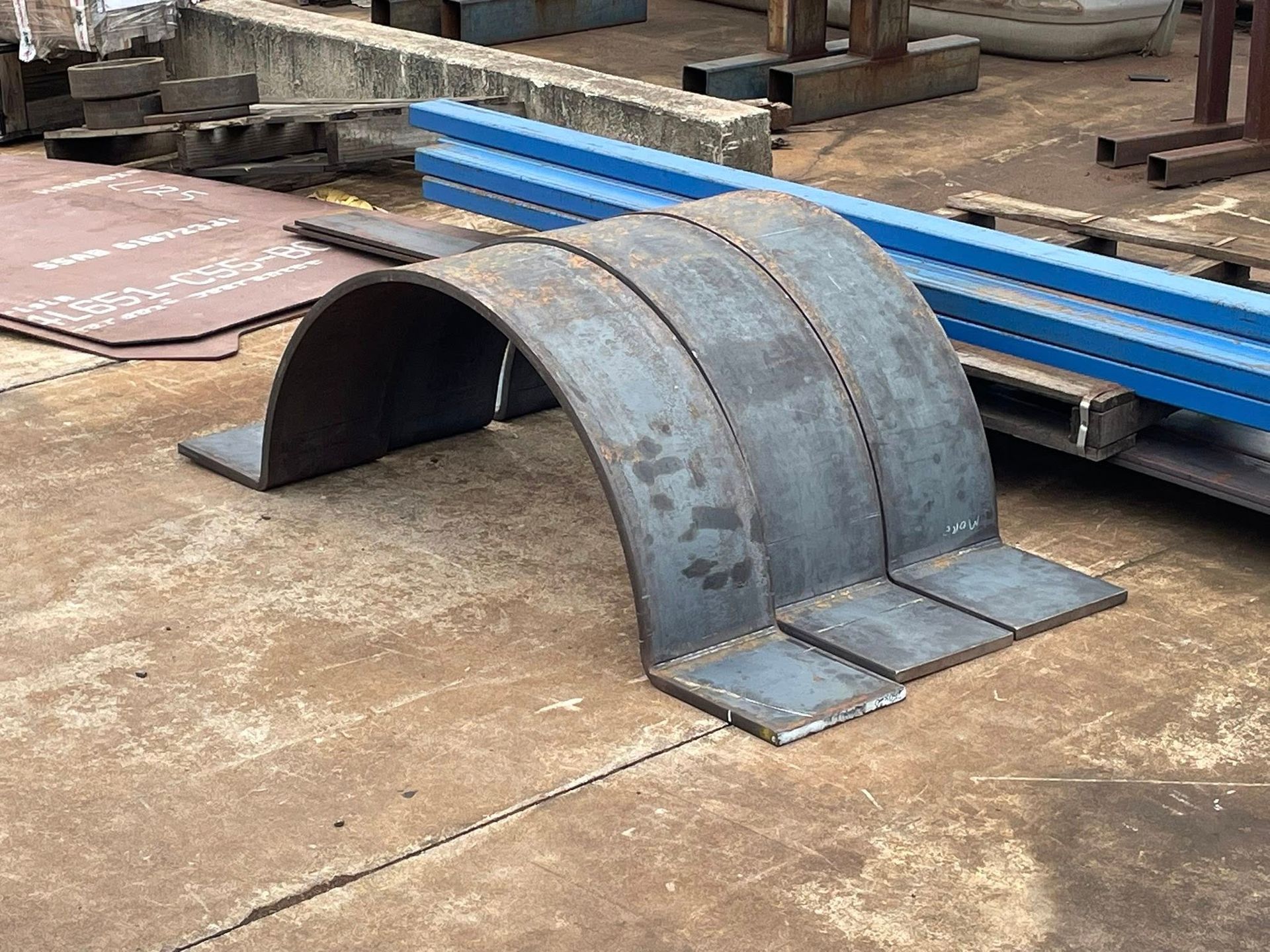
A Metal Shape Like An Arc
By Roll Press NT Pty Ltd • December 22, 2025
Understand steel fabrication in Darwin costs and learn what affects pricing so you can request accurate quotes and make confident decisions today.
White dump trailer on red frame, parked on grass near a blue building.
By Roll Press NT • November 10, 2025
Discover what to check before buying side tippers for sale in Darwin. Learn how custom side tippers in Darwin boost performance and value.
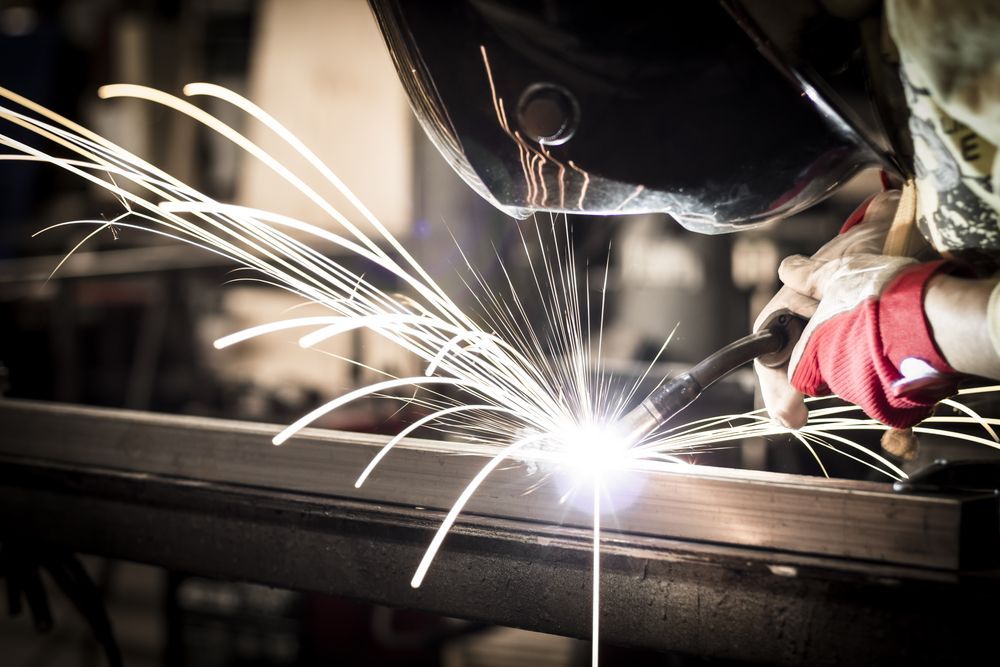
Close-up image of a fabricator welding, with bright sparks centered in the frame.
By Roll Press NT Pty Ltd • September 16, 2025
Need a steel fabricator in Darwin? Roll Press NT Pty Ltd delivers quality, precision and reliability. Discover how to choose right—read our blog today!
